Online Safety for Children: What Every Parent Should Know
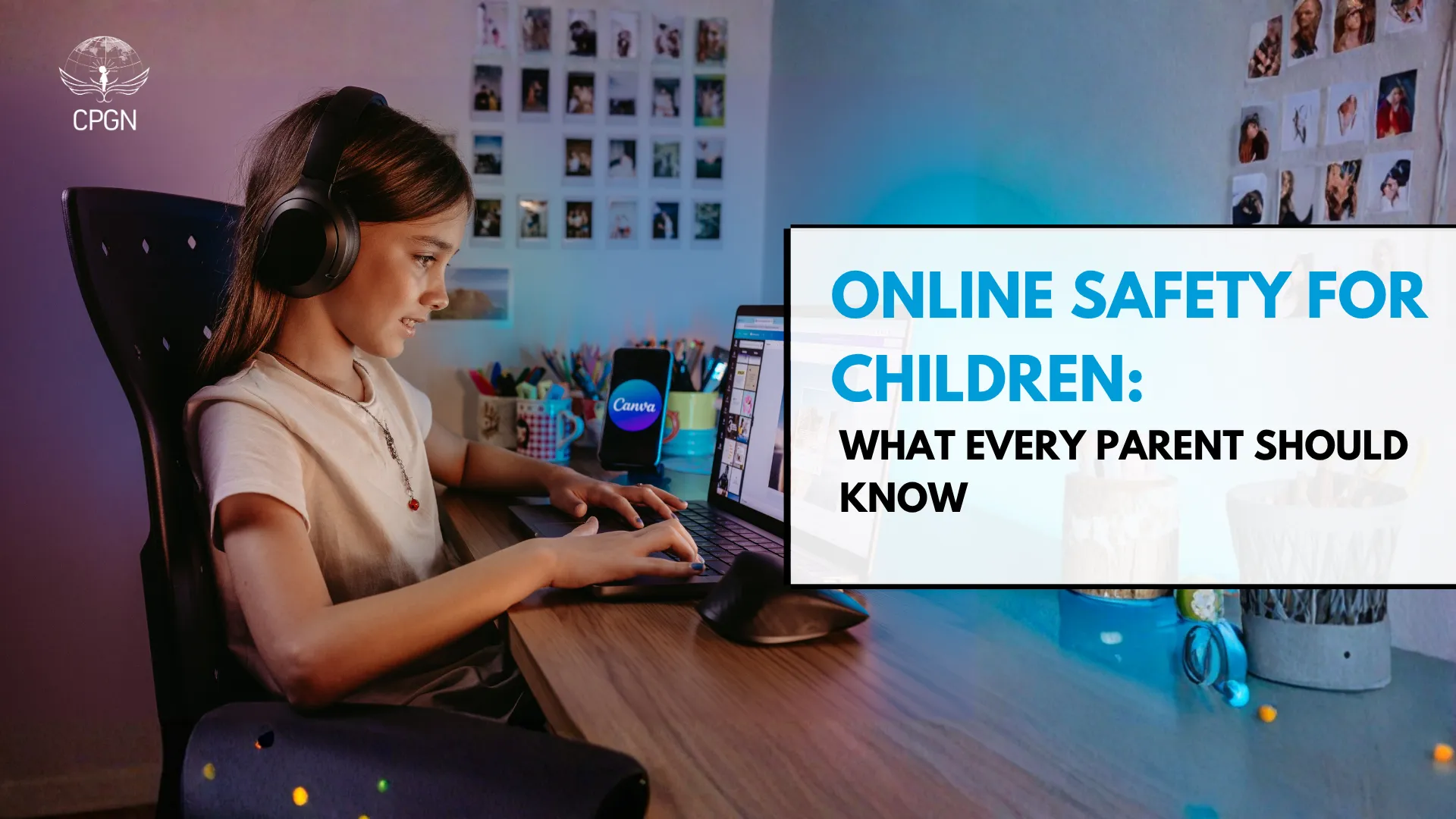
Every parent wants their child to explore, learn, and connect online safely—but the internet can be both inspiring and risky. From social media and video games to educational apps, children are navigating digital spaces at younger ages than ever.
While these platforms offer opportunities for learning and creativity, they also expose children to cyberbullying, online predators, inappropriate content, and privacy risks UNICEF.
Having consulted parenting experts and reviewed global research, I’ve seen that small, consistent steps by caregivers can make a huge difference in keeping children safe online. This guide will help you understand what online safety is, recognize potential risks, and implement practical strategies that empower children to navigate the internet safely.
Quick Summary
- Online safety protects children from cyberbullying, exploitation, and harmful content.
- Parents and caregivers play a critical role through supervision, open communication, and guidance.
- Practical tools, routines, and awareness help children use the internet responsibly.
- Teaching children digital literacy and self-protection skills strengthens confidence online.
Understanding the Problem: Why Online Safety Matters
What is online safety for children? At its core, it is the practice of protecting children from harm while enabling them to benefit from digital opportunities. Millions of children are online daily, and exposure to risks is rising. A 2023 UNICEF poll found that over one-third of children globally had experienced cyberbullying, with some even skipping school to avoid online harassment.
Online safety is more than preventing harm—it also involves educating children, building digital literacy, and empowering them to make safe choices. When children understand risks and boundaries, they are more confident and resilient while exploring online spaces.
Recognizing Online Risks
Cyberbullying
Cyberbullying includes name-calling, exclusion, threats, or harassment online. Children may show signs like withdrawal, mood swings, reluctance to go online, or sudden changes in behavior. Its emotional impact can be severe, leading to anxiety, depression, and low self-esteem.
Inappropriate Content
Children can accidentally access violent, adult, or hate-filled material. Age-inappropriate content may affect emotional development and behavior. Monitoring and setting boundaries is crucial.
Online Predators and Grooming
Predators often create fake profiles or manipulate children via messaging apps or social media. Look for warning signs such as secretive behavior, reluctance to share online interactions, or sudden friendships with unknown adults.
Excessive Screen Time
Spending too much time online can affect sleep, physical health, and social development. Encourage balance between online and offline activities, including play, reading, and family time.
Creating a Safe Digital Environment
Parental Controls & Privacy Settings
Most devices and apps have tools to limit access, filter content, and manage screen time. Using these features consistently can reduce exposure to inappropriate content and risky contacts.
Rules, Routines, and Open Communication
- Set screen time limits and create device-free zones.
- Encourage children to talk openly about uncomfortable or confusing online experiences.
- Establish predictable online routines to help children navigate safely.
Learn practical safety tips: Teaching Children About Body Safety.

Teaching Responsible Online Behavior
Digital Literacy
Children should understand how to evaluate online content critically, identify misinformation, and use trustworthy sources.
Self-Protection Skills
Teach children to manage passwords, privacy settings, and personal information. Reinforce the importance of not sharing sensitive details or meeting strangers online.
Empowerment and Participation
Encourage children to ask questions, set boundaries, and participate safely in online spaces. Confidence and self-awareness are key to navigating the internet responsibly.
Tools, Resources, and Support
- Software and Monitoring Tools: Use filters, safe search, and parental control apps to manage access.
- Helplines and Reporting: Children should know where to report harassment or abuse. CPGN provides practical resources for guidance CPGN Help & Resources.
- Community & School Programs: Schools and local organizations often run cyber safety workshops and peer-support initiatives.
Actionable Guidance for Parents
Checklist for Online Safety:
- ✅ Use privacy settings and parental controls.
- ✅ Discuss online experiences openly with your child.
- ✅ Teach digital literacy and safe online practices.
- ❌ Don’t ignore online activity or assume children will report problems.
- ❌ Don’t over-restrict access, which may lead to secrecy or unsafe behavior.
Next steps: Create a family online safety plan with shared passwords, emergency contacts, and a protocol for reporting abuse.
Final Thoughts
Online safety is essential for children’s development and well-being. By combining rules, guidance, and empowerment, parents can help children explore the digital world safely, responsibly, and confidently.
FAQs
It is protecting children from online harm while giving them the freedom to learn, explore, and communicate responsibly.
Combine supervision with open communication, use privacy controls, and educate children about risks and safe practices.
No. Controls help, but education, empowerment, and ongoing conversations are equally critical for effective online safety.

See a child in danger? If you are in immediate danger, call local emergency services. For guidance from CPGN, GET HELP.
CPGN is a 501(c)(3)—donations are tax-deductible where applicable. Our goal is to ensure the safety and protection of every child until it is achieved.
Quick Links

See a child in danger? If you are in immediate danger, call local emergency services. For guidance from CPGN, Get Help.
CPGN is a 501(c)(3) — donations are tax-deductible where applicable. Our goal is to ensure the safety and protection of every child until it is achieved.
Copyright © 2026 CPGN. All rights reserved by Majnate LLP | Privacy Policy | Terms and Conditions