What is a Child Protection Plan?
A child protection plan is a formal safety plan created to protect a child at risk of harm. It outlines steps and support to keep the child safe and help the family improve conditions.
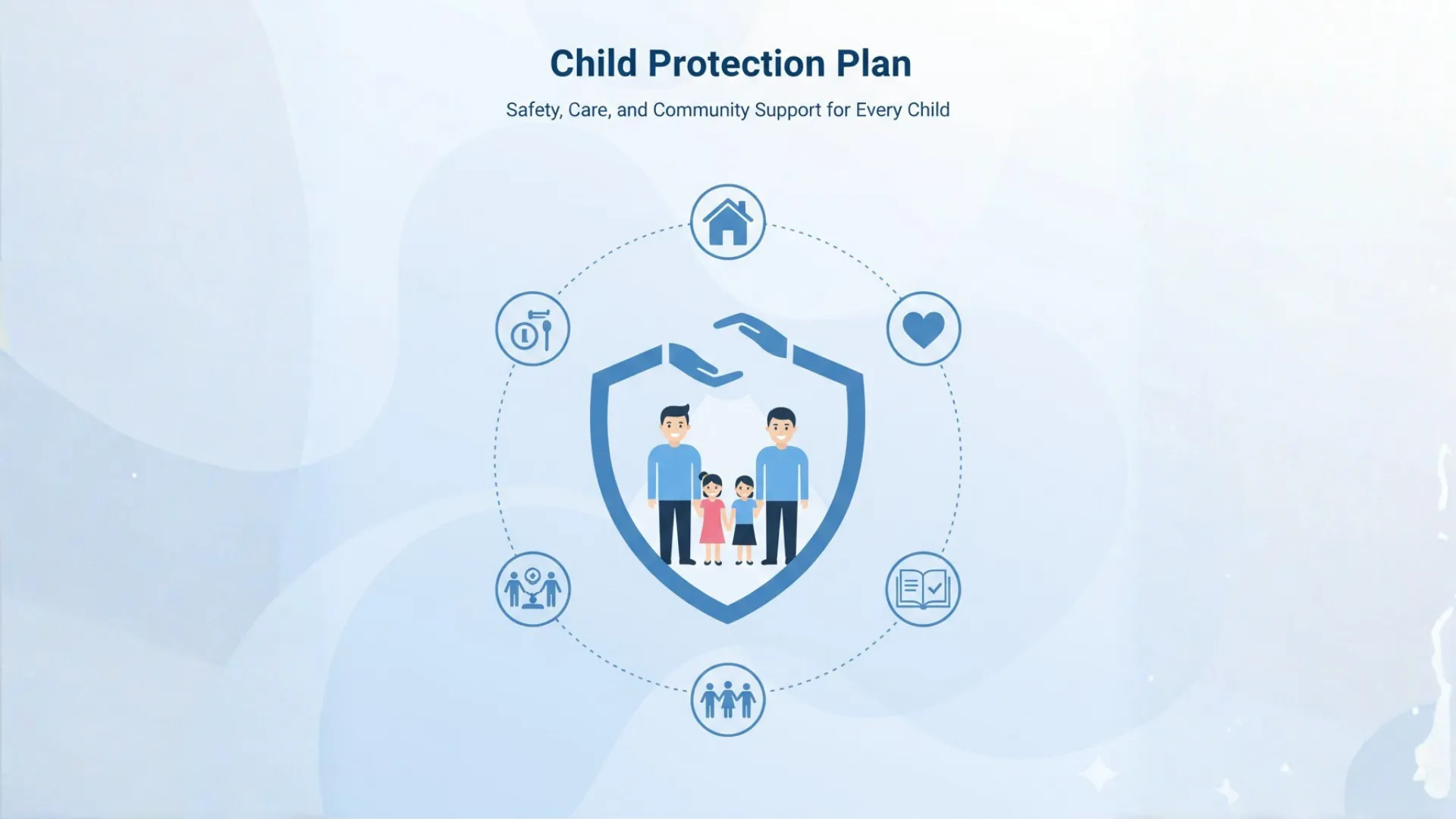
When it comes to keeping children safe, a child protection plan plays a critical role. If you’re a parent, professional, or anyone concerned about a child’s safety, understanding this plan is important. It’s not just a document, it’s a strategic tool created by child welfare professionals to keep children safe, support families, and help create lasting change.
If you’re unsure about the specifics of a child protection plan, rest assured. This article will break down the process and explain why it’s a key part of child welfare efforts. Understanding the plan is the first step toward safety. By the end, you’ll know exactly what a child protection plan is, why it’s created, and how it works.
Quick Summary: What This Article Covers
- What a child protection plan is and why it’s created
- Key components of a child protection plan
- The child protection process
- What happens during and after the plan is set in motion
- How you can support families in crisis
What Is a Child Protection Plan?
A child protection plan (CPP) is a formal written strategy created by social services when a child is at risk of significant harm. It sets out specific actions to reduce the risk, including support for the child and their family. These plans are the result of a child protection conference where social workers, health professionals, and other relevant authorities gather to assess the situation and develop a comprehensive plan to safeguard the child.
The goal of a child protection plan is to prevent further harm and ensure that a child can live in a safe, supportive environment, free from neglect or abuse. You can learn more about the importance of child protection through global child welfare organizations like UNICEF.
 See related Article: Why Protecting Children’s Rights is Essential for a Brighter Future
Why Is a Child Protection Plan Created?
These plans are put in place when there’s a reasonable belief that a child is being or is at risk of being harmed. Factors such as neglect, emotional abuse, or physical abuse lead to the creation of a plan. It’s not about penalizing families but ensuring the child’s safety while also helping the family overcome issues that may affect their ability to care for the child.
Key Components of a Child Protection Plan
A child protection plan consists of several crucial elements to ensure safety and support. It will usually include:
1. Risk Assessment
This step involves identifying the types of risks the child faces and understanding the level of harm the child has experienced.
2. Family Responsibilities
The family will be asked to engage in certain actions to address concerns raised. This may involve attending counseling, improving home conditions, or engaging with support services.
3. Child’s Support
The child may be assigned a dedicated worker or counselor to ensure that their needs are being met. This can include therapy, educational support, or medical care.
4. Review and Monitoring
Regular meetings and home visits are scheduled to check on the progress of the plan and assess if the child’s safety is improving.
By putting all these elements in place, child protection plans are tailored to each family, ensuring that the child’s specific needs are met.
How Does a Child Protection Plan Work?
The Process Involved the Following:
- Referral and Investigation
A concerned individual — whether it’s a neighbor, family member, teacher, or medical professional — can report a child’s situation to Child Protective Services (CPS). Once the report is made, CPS investigates the situation to determine if the child is at risk. - Child Protection Conference
If CPS determines there’s concern, a child protection conference is held, involving social workers, health professionals, and possibly the family. Together, they decide if a child protection plan is necessary. - Creation of the Plan
If a child protection plan is deemed necessary, it is created with input from professionals and the family. The plan is a clear roadmap that outlines how the family will address concerns, what steps need to be taken, and the types of support the child will receive. - Review and Adjustment
Once the plan is in motion, professionals will regularly check on progress and adjust the plan if necessary. It’s important that the child’s safety remains the focus throughout the process.
What Happens After a Child Protection Plan Is Set in Motion?
Once the child protection plan is implemented, the child’s welfare and safety are monitored continuously. Here’s what typically happens next:
1. Family Participation
The family is expected to participate in the plan. This might include attending therapy, taking parenting classes, or improving their living conditions. Support from social services and other professionals helps the family make the changes required.
2. Regular Check-ins and Support
Social workers will regularly check in with the family. This can involve home visits and meetings to monitor progress and provide continued support. The child may also receive counseling or educational services as needed.
2. Reviewing the Plan
Every few months, the plan will be reviewed by professionals to ensure the child is safe. If improvements are made, the plan may become less intensive. If not, the plan may be extended or further action taken.
How to Support Families in Crisis
Supporting families who are working through a child protection plan can be challenging, but it’s vital. Here are some ways to offer help:
- Listen and Offer Reassurance: Sometimes, parents or caregivers simply need someone to listen to their concerns and reassure them that they are not alone.
- Provide Emotional Support: Offer a safe space for families to express their feelings and frustrations without judgment.
- Connect Them to Resources: Direct them to parenting classes, therapy services, and other resources that can help them meet the requirements of the plan.
- Offer Practical Help: Assist with everyday tasks, like transporting the child to appointments, helping with childcare, or even just offering a meal.
CPGN’s Help Resources can provide more guidance on supporting families through these difficult times.
Understanding the Child Protection Plan
A child protection plan is a crucial safety measure that ensures children at risk receive the support they need to thrive. Whether you’re a concerned individual, a parent, or a professional, understanding how these plans work is the first step toward ensuring the safety and well-being of vulnerable children.
Understanding the plan is the first step toward safety. Support CPGN to help us provide resources for families in crisis and create a better future for every child.
About Child Protection Global Network (CPGN)
Child Protection Global Network (CPGN) is a U.S.-based nonprofit organization with over 20 years of dedication to protecting children worldwide. Our mission is to provide comprehensive support to vulnerable children, strengthen child protection systems, and advocate for policies that safeguard the future of children. Join us in the fight to protect children everywhere. Together, we can make a difference. Donate Now or Get Help.
FAQs
A child protection plan doesn't automatically mean the loss of parental rights. It’s a safety measure designed to support families, but failure to comply can lead to more serious interventions.
Yes, a child protection plan can be adjusted. As families meet the requirements and make progress, the plan may become less intensive or even closed.
No, a child protection plan is not permanent. It’s regularly reviewed, and if the child’s safety is no longer at risk, the plan may be ended or reduced.

See a child in danger? If you are in immediate danger, call local emergency services. For guidance from CPGN, GET HELP.
CPGN is a 501(c)(3)—donations are tax-deductible where applicable. Our goal is to ensure the safety and protection of every child until it is achieved.
Quick Links

See a child in danger? If you are in immediate danger, call local emergency services. For guidance from CPGN, Get Help.
CPGN is a 501(c)(3) — donations are tax-deductible where applicable. Our goal is to ensure the safety and protection of every child until it is achieved.
Copyright © 2026 CPGN. All rights reserved by Majnate LLP | Privacy Policy | Terms and Conditions