Grandparents as Guardians: The Role of Older Carers in Child Protection
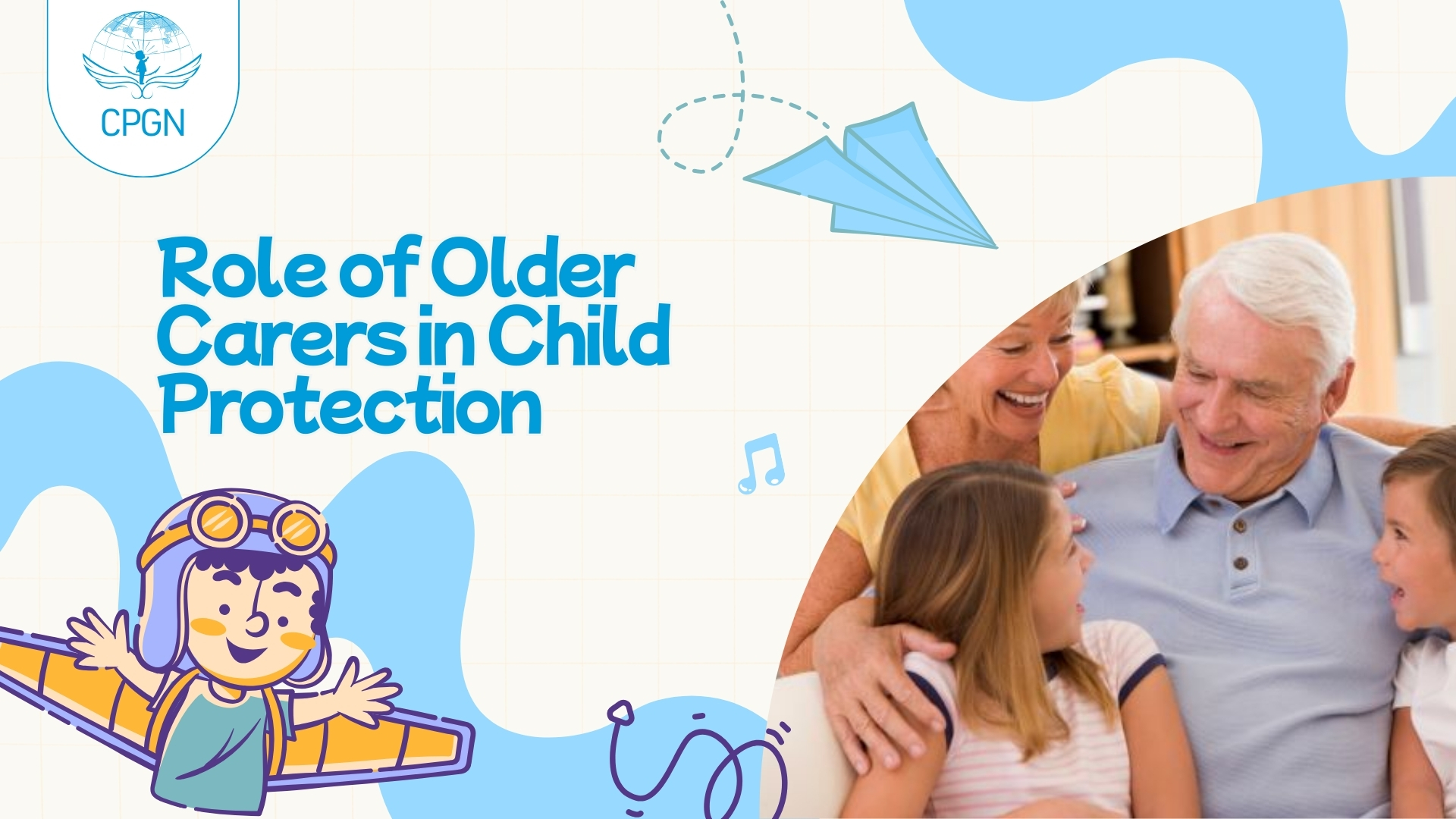
When parents are unable to care for their children due to health issues, substance abuse, or family breakdown, grandparents often step in as the first line of protection. For many children, this means a second chance at safety, love, and stability.
But what happens when this role goes unrecognized, unsupported, or is overshadowed by societal challenges? Grandparents are playing an essential role in child protection, and yet, they often face immense challenges without the resources they need.
The role of grandparents as caregivers has never been more crucial. Children placed in grandfamilies, or homes where grandparents assume the primary caregiving role, often face fewer emotional and behavioral problems than those in non-relative foster care. But there’s a lot we need to address in terms of support, legal recognition, and resources to ensure these families thrive.
Let’s get into the importance of grandparents as guardians, the challenges they face, and the support systems that need to be in place to strengthen their role in child protection.
Key Takeaways
- Grandparents often provide a stable environment for children when parents cannot care for them due to crisis, substance abuse, or incarceration.
- Children raised by grandparents experience better emotional stability and identity continuity compared to those in non-kin foster care.
- Grandparents face significant challenges, including financial stress, health limitations, and lack of support from social services.
- Support programs should provide financial aid, parenting education, and mental health resources for grandparent carers.
Why Grandparents Matter in Child Protection
Grandparents are not just family members; they are often lifesavers for children caught in difficult family situations. The kinship care model, where children are raised by relatives instead of foster parents, has proven to offer greater emotional security. Children raised by grandparents are often exposed to less disruption than those in foster care. This is particularly valuable when children have already experienced trauma, neglect, or abuse.
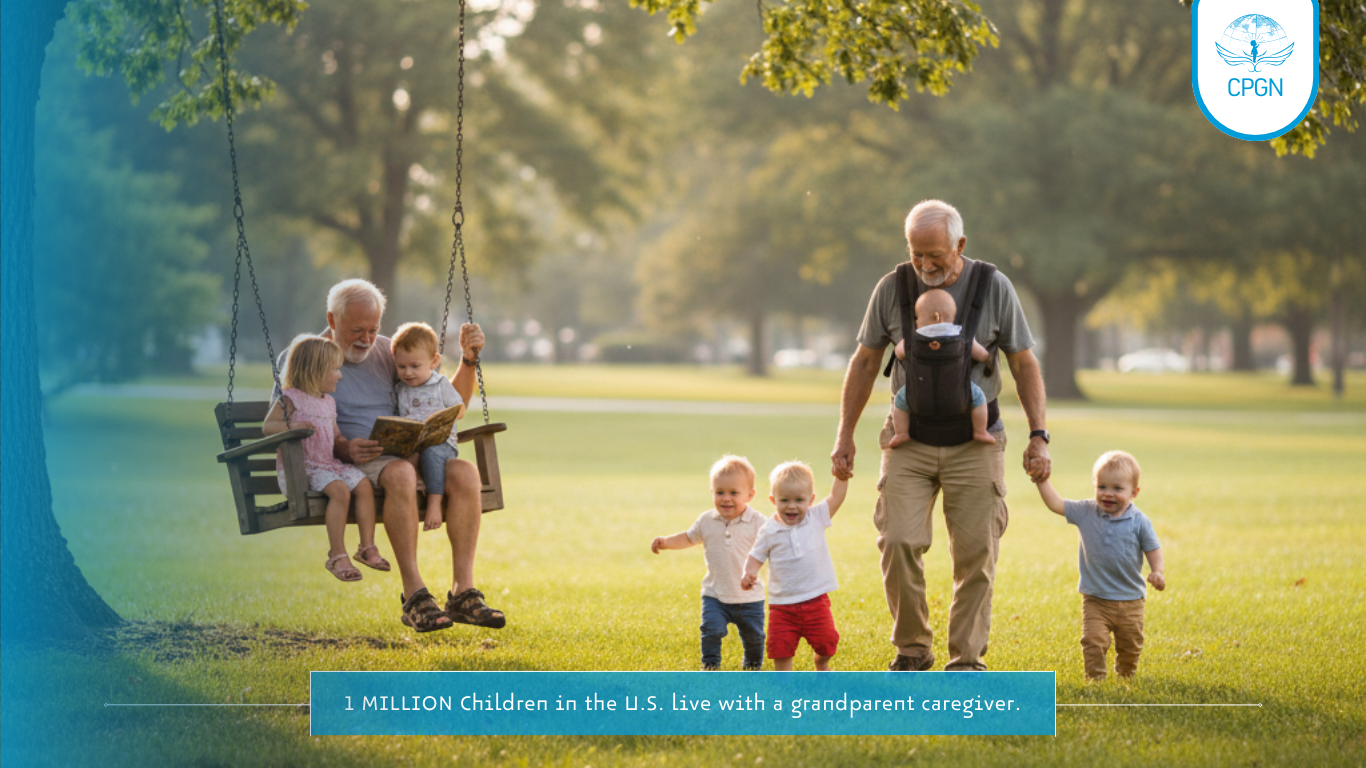
A 2025 report from Brookings highlights that about 1 million children in the U.S. live with grandparent caregivers. This growing trend shows how vital grandparents are in the child welfare system. Without them, many children would face the challenges of being placed in foster care, where the emotional and cultural continuity provided by grandparents would be lost.
Moreover, grandparents provide children with a sense of identity and cultural continuity that is often disrupted in non-kin foster care. When biological parents are absent, children often feel disconnected from their heritage and family history. Grandparents fill this gap by offering children a connection to their past, which helps them understand their place in the world.
The Protective Benefits of Grandparents as Carers
Grandparents offer far more than just childcare. They provide children with the stability and continuity they need in times of crisis. Whether it’s the loss of a parent, a family crisis, or parental incapacity, grandparents offer a safe haven.
- Kinship care vs. foster care: Studies consistently show that children in grandparent care are emotionally more stable than those in foster care. Grandparents often step in when the child’s biological parent is unable to care for them, providing consistent care in a familiar environment. This stability is particularly important when children have already experienced trauma.
- Cultural and emotional continuity: Grandparents often help children maintain connections to their cultural heritage and family traditions, which can be a source of comfort when they face difficult circumstances. This continuity is important for children’s emotional security and helps reduce the risk of identity confusion or psychological distress.
Grandparents, especially those raising grandchildren full-time, often offer an alternative to the state-run foster care system, which can be overburdened and less personal. By placing children in the care of relatives, governments can save significant resources while providing a more stable environment for children.
Challenges Grandparents Face in Their Caregiving Role
While grandparents play a critical role in child protection, they also face several challenges when it comes to raising grandchildren:
- Financial strain: Many grandparent caregivers live on fixed incomes and often face financial difficulties when taking on the responsibility of raising children. Without adequate support, it can be tough to meet the financial demands of childcare.
- Health and age-related challenges: Older caregivers are more likely to experience health issues, such as chronic conditions or physical limitations, which can make it harder to care for active children. This is compounded by the emotional and psychological strain of becoming a parent again in later life.
- Lack of legal recognition: In many cases, grandparents do not have formal custody or guardianship over their grandchildren. This lack of legal recognition can prevent them from accessing social services, financial aid, and medical care, which are crucial to providing a stable home for their grandchildren.
- Behavioral and emotional challenges in grandchildren: Children raised in grandfamilies often come from traumatic backgrounds, which can lead to behavioral issues such as aggression or withdrawal. Without the right resources or social support, grandparents may struggle to meet their grandchildren’s complex emotional and developmental needs.
What Can Be Done to Support Grandparents as Caregivers?
Supporting grandparents in their caregiving role is crucial to ensuring that they can provide the best possible care for their grandchildren. Here are a few actionable steps that can help:
- Financial aid: Governments should provide financial support to grandparent caregivers to ease the financial burden of raising grandchildren. This can include childcare subsidies, healthcare benefits, and financial assistance.
- Parenting education: Grandparents often step into caregiving roles unexpectedly. Parenting programs tailored for grandparents can provide them with the tools they need to navigate modern parenting challenges, such as managing technology, discipline, and education.
- Mental health support: Given the emotional toll that caregiving can take, mental health services are essential for grandparents. Offering counseling, support groups, and respite care can help relieve stress and improve caregiving outcomes.
- Legal recognition: Governments should work to formalize the role of grandparents as primary caregivers, allowing them to access the same support and benefits as foster carers. This could include guardianship options and simplified legal processes for grandparents who step in as guardians.
CPGN’s Role in Supporting Grandparent Carers
At CPGN, we understand the importance of grandparents in providing stable, safe environments for children in crisis. As child protection advocates, we are committed to raising awareness of the unique challenges faced by grandparent caregivers and advocating for policy change that supports their role in child protection.
We believe that grandfamilies, families where grandparents step in as primary caregivers—should be given the resources and recognition they deserve. We continue to work alongside policy makers, social workers, and communities to ensure grandparents have access to the support they need to provide the best care possible for their grandchildren.
Join us today and help us create a more supportive world for grandparent-led families.
FAQs
Grandparents provide stability, safety, and emotional support to children, especially when biological parents cannot care for them. They act as key caregivers in times of crisis.
Children in grandparent care generally experience more emotional stability, a stronger sense of identity, and fewer behavioral problems compared to those in non-relative foster care.
Grandparents often face financial difficulties, health limitations, and stress when raising grandchildren. Many also lack legal recognition and access to social support programs.
Providing financial aid, parenting education, mental health support, and legal recognition of their caregiving role can significantly improve their caregiving ability.

Mark Schwartz
Mark Schwartz is a dedicated child protection advocate and co-founder of Child Protection Global Network (CPGN). With a strong background in community development and public education, he focuses on raising awareness about the realities of child abuse and neglect. Mark leads outreach efforts to inform families, educators, and communities about the importance of recognizing warning signs and reporting abuse. His work is driven by a deep belief that informed communities are the first line of defense in protecting children.
All Posts

See a child in danger? If you are in immediate danger, call local emergency services. For guidance from CPGN, Get Help.
CPGN is a 501(c)(3) — donations are tax-deductible where applicable. Our goal is to ensure the safety and protection of every child until it is achieved.
Quick Links

See a child in danger? If you are in immediate danger, call local emergency services. For guidance from CPGN, Get Help.
CPGN is a 501(c)(3) — donations are tax-deductible where applicable. Our goal is to ensure the safety and protection of every child until it is achieved.
Copyright © 2025 CPGN. All rights reserved by Majnate LLP | Privacy Policy | Terms and Conditions