Disability and Child Abuse: Risks, Protection, and Support Systems for Vulnerable Children
Children with disabilities are more vulnerable to abuse. Learn about risks, types of abuse, and support systems to protect them from harm.
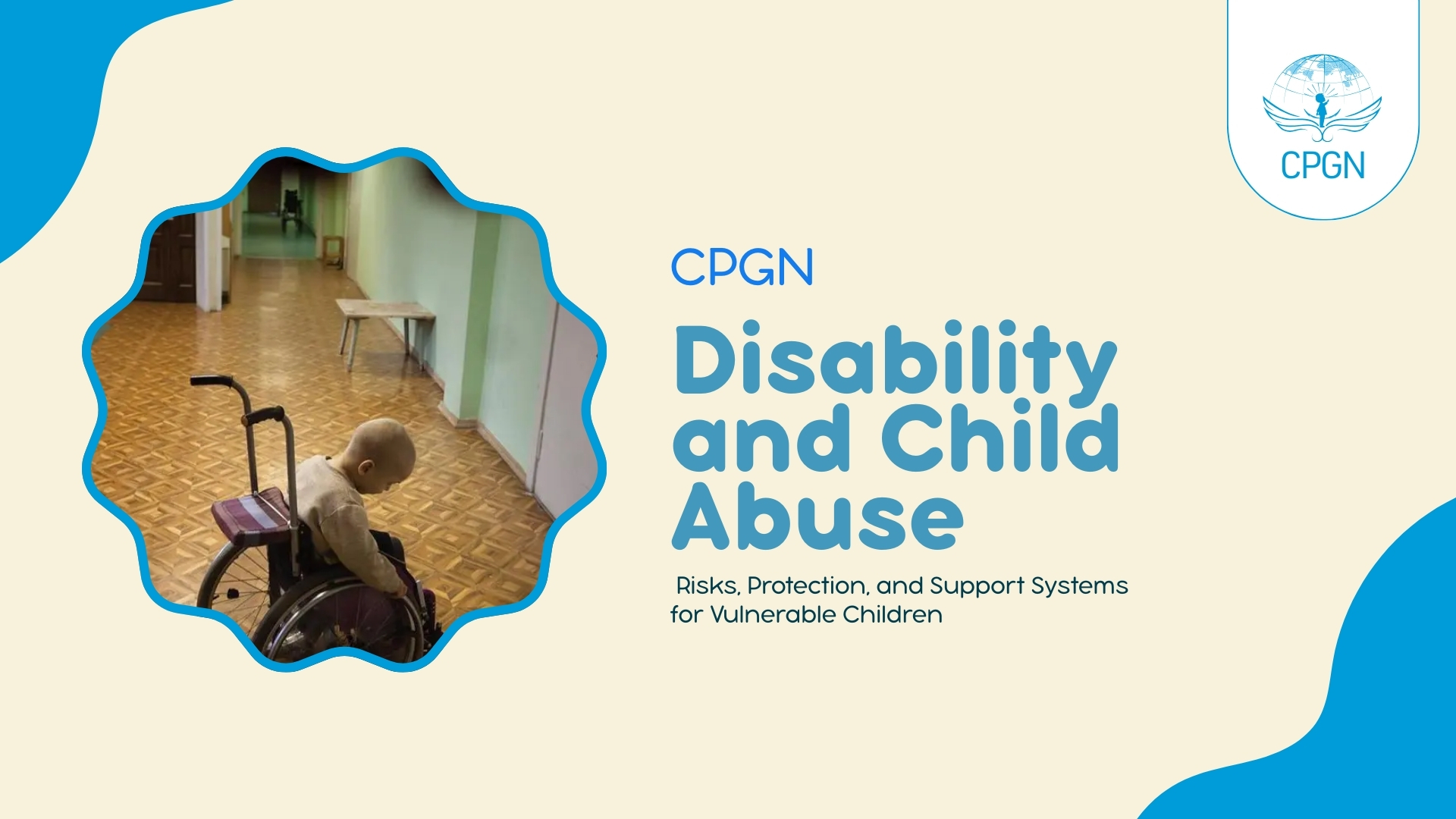
Children with disabilities face many challenges, but one of the most concerning is their increased vulnerability to abuse. For children already navigating the world with barriers—whether physical, intellectual, or sensory, abuse can remain hidden, and their protection can be compromised.
Children with disabilities are at a higher risk of being victimized than their peers. Yet, despite the growing awareness, many of these children still go unnoticed and unprotected. It is crucial that we address this issue head-on and explore the risks, support systems, and practical steps that can ensure their safety.
In this blog post, we will explore why children with disabilities are more vulnerable to abuse, the barriers to their protection, and how we can improve support systems to keep them safe.
Key Takeaways
- Children with disabilities are 3–4 times more likely to experience abuse than children without disabilities.
- Risk factors include dependency on caregivers, communication barriers, social isolation, and stigma.
- Types of abuse include physical, sexual, emotional abuse, and neglect.
- Support systems must include inclusive child protection frameworks, trained caregivers, and accessible reporting systems.
- Practical steps include training for caregivers, raising awareness, and advocating for better policies to protect disabled children.
Why Children with Disabilities Are More Vulnerable to Abuse
Children with disabilities face unique vulnerabilities that increase their risk of experiencing abuse. Studies show that children with disabilities are disproportionately affected by abuse, including physical, sexual, and emotional maltreatment. According to a study published in SpringerLink, these children are far more likely to be victims of violence than their peers.
Key Risk Factors
Several factors contribute to the increased vulnerability of children with disabilities:
- Dependency on caregivers: Many children with disabilities rely heavily on caregivers for personal care, including assistance with eating, bathing, and dressing. This dependency increases the chances of abuse in environments where oversight is limited.
- Communication barriers: Children with disabilities may struggle to express themselves, making it harder for them to report abuse or even recognize that they are being abused.
- Social isolation and stigma: Disabled children often face exclusion from peers and lack social support networks, leaving them more vulnerable to exploitation and neglect.
- Lack of recognition: In some cases, abuse is overlooked because the signs are mistakenly attributed to the disability itself.
Types of Abuse Experienced by Children with Disabilities
- Children with disabilities are more likely to experience various forms of abuse. These include:
- Physical abuse: Children with disabilities may suffer physical harm from caregivers or others who have access to them.
- Sexual abuse: Due to their vulnerability and the lack of communication skills, children with disabilities are particularly susceptible to sexual exploitation and abuse.
- Emotional abuse: Children with disabilities may face emotional neglect or manipulation, especially when they are isolated from others or subjected to discriminatory practices.
- Neglect: One of the most common forms of abuse faced by children with disabilities is neglect. Their care may be inadequate, or they may be left without the necessary services, leading to emotional and physical harm.
Ethics, Bias, and Data Privacy: The Human Side of AI
Technology alone cannot guarantee justice.
In fact, predictive systems can amplify existing inequalities if not handled carefully.
For example, a 2021 Carnegie Mellon University review found that risk models trained on biased data (e.g., over-policing in low-income or minority communities) could unfairly target certain groups. To prevent this, several U.S. jurisdictions now require:
- Algorithmic transparency: disclosing how systems make predictions.
- Independent audits: ensuring fairness across racial and economic lines.
- Data minimization: using only relevant, verified data for risk assessment.
Ethical AI in child protection isn’t about automating care, it’s about improving accuracy and equity while upholding every child’s right to dignity and privacy.
As UNICEF notes, technology in child welfare must always serve the “best interests of the child,” guided by human compassion and robust legal safeguards.
Barriers to Protection and Reporting
Despite the known risks, many children with disabilities remain unprotected due to various barriers:
- Difficulty in detecting abuse: Signs of abuse in children with disabilities may be misinterpreted as symptoms of their disability. For example, changes in behavior may be wrongly attributed to a cognitive impairment rather than signs of distress or abuse.
- Limited or inaccessible reporting systems: Many children with disabilities face challenges when trying to report abuse. Existing reporting systems are not always accessible to children with sensory or communication impairments.
- Lack of caregiver training: Caregivers and educators may not be adequately trained to recognize the signs of abuse or to provide the appropriate care to children with disabilities.
What Works: Support Systems & Safeguards
To protect children with disabilities, support systems must be inclusive and accessible. Here are the key strategies that work:
Inclusive Child Protection Frameworks
It’s essential that child protection systems be inclusive of children with disabilities. This means that all protection services should be accessible, whether it’s healthcare, education, or social services. Governments and organizations must ensure that disabled children are not excluded from these services.
Training & Capacity Building for Caregivers
Caregivers, educators, and social workers must be trained to recognize signs of abuse in children with disabilities. They should also be equipped with the tools and resources necessary to address these issues in a sensitive and informed manner.
Community Awareness & Involvement
Raising awareness in communities about the risks of abuse and the importance of inclusive practices can significantly reduce stigma and help prevent abuse. Education about disability rights and child protection should be prioritized at the community level, so that everyone can contribute to keeping children safe.
Accessible Reporting Systems
Creating accessible reporting mechanisms for children with disabilities is crucial. These should include assistive communication technologies and tools that allow children with sensory or cognitive impairments to report abuse. The system should be simple, clear, and child-friendly to ensure that all children, regardless of their abilities, can report safely and confidentially.
Challenges and Gaps in Protection
Despite the progress in some areas, several challenges remain:
- Data gaps: There is a lack of comprehensive data on the abuse of children with disabilities, making it difficult to measure the true extent of the problem and tailor interventions effectively.
- Under-resourced systems: Many countries lack the resources to implement inclusive child protection systems, leaving children with disabilities at risk.
- Cultural barriers: In some communities, disability stigma can prevent children from being recognized as needing protection, or their abuse may be dismissed.
Practical Steps to Protect Children with Disabilities
As parents, caregivers, and educators, there are several ways we can protect children with disabilities:
- Teach children about their rights: Age-appropriate education about personal boundaries, body safety, and the right to be heard is critical for all children, especially those with disabilities.
- Create transparent caregiving environments: Care routines should be transparent, with regular check-ins and clear documentation to ensure that children are safe and their needs are being met.
- Advocate for inclusive policies: Push for disability-inclusive policies at the community and governmental levels to ensure that children with disabilities have equal protection under the law.
CPGN’s Role in Protecting Children with Disabilities
At CPGN, we are committed to protecting children with disabilities. Through our advocacy and policy work, we aim to ensure that disability-inclusive child protection systems are implemented worldwide. By raising awareness, training professionals, and improving support systems, we can ensure that children with disabilities are given the protection and care they deserve.
Join us today, get involved now and help us protect vulnerable children from abuse.
Sources:
- Iliscupidez, D. et al. (2025). Children and Climate Change Vulnerability Indices: a Scoping Review. Retrieved from https://doi.org/10.1007/s12187-025-10250-w
- Thapa, S. et al. (2025). Extreme weather and climate-related adverse childhood experiences (E-ACEs). Nature. Retrieved from https://www.nature.com/articles/s43856-025-01089-x
FAQs
Not necessarily. The risk can depend on the nature and severity of the disability, along with the support systems in place.
Using assistive communication devices or support from trusted adults can help children with disabilities report abuse. It's important to ensure that all children have access to safe and accessible reporting systems.
Caregivers should create a safe, transparent environment, regularly check in with children, and ensure they have clear and open communication about their needs and rights.
Governments should implement inclusive child protection laws, fund disability-specific services, and ensure accessible reporting systems for children with disabilities.

Mark Schwartz
Mark Schwartz is a dedicated child protection advocate and co-founder of Child Protection Global Network (CPGN). With a strong background in community development and public education, he focuses on raising awareness about the realities of child abuse and neglect. Mark leads outreach efforts to inform families, educators, and communities about the importance of recognizing warning signs and reporting abuse. His work is driven by a deep belief that informed communities are the first line of defense in protecting children.
All Posts

See a child in danger? If you are in immediate danger, call local emergency services. For guidance from CPGN, Get Help.
CPGN is a 501(c)(3) — donations are tax-deductible where applicable. Our goal is to ensure the safety and protection of every child until it is achieved.
Quick Links

See a child in danger? If you are in immediate danger, call local emergency services. For guidance from CPGN, Get Help.
CPGN is a 501(c)(3) — donations are tax-deductible where applicable. Our goal is to ensure the safety and protection of every child until it is achieved.
Copyright © 2025 CPGN. All rights reserved by Majnate LLP | Privacy Policy | Terms and Conditions