The Growing Threat of Climate Change on Child Protection: A Crisis We Cannot Ignore
Learn how AI and big data are transforming U.S. child welfare, from detecting early signs of abuse to preventing neglect while balancing ethics, privacy, and compassion.
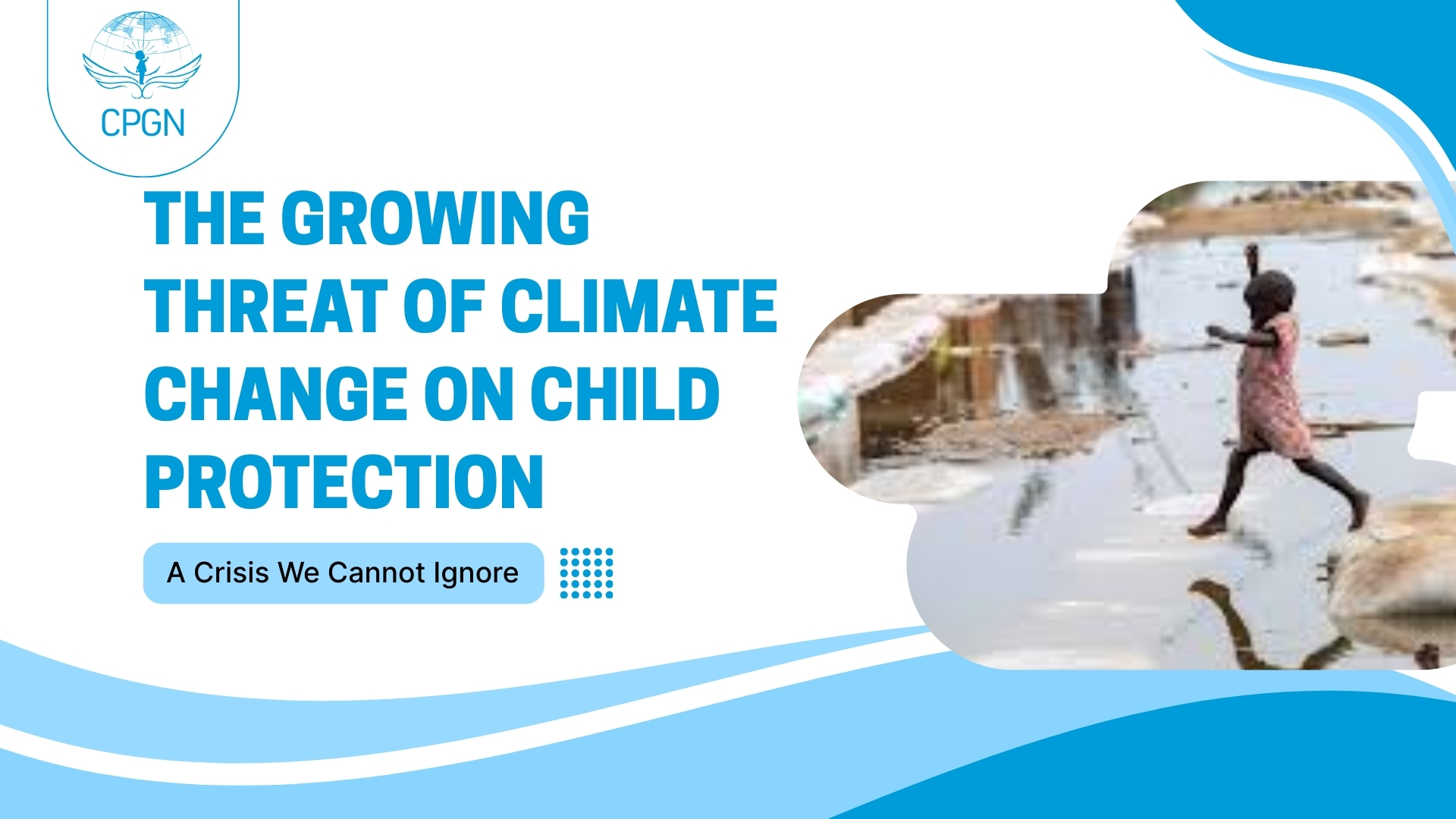
Children today are living through a world increasingly shaped by the forces of nature, forces that are becoming more unpredictable and violent due to climate change. Imagine the fear a child feels when their home is destroyed by a storm or flood.
The safety they once knew is swept away, along with their sense of security, education, and mental health. For these children, the world they once knew is no more, leaving them to face the devastating effects of climate change with no way to escape its harsh realities.
Climate change is no longer just an environmental issue; it’s a child protection crisis. Every year, millions of children are forced to flee their homes, losing not only their homes but their sense of security, education, and mental health. This is a crisis we cannot ignore. The time to act is now. The impact on children goes beyond just the environment— it’s about their safety, education, and mental well-being.
In this post, we’ll explore the key ways in which climate change is affecting children’s lives and what we can do to protect them. For more on the risks faced by displaced children, read this article on child displacement.
Key Takeaways
- Millions of children are displaced by climate-driven disasters every year, facing risks like violence, neglect, and loss of education.
- Climate change disrupts children’s mental health by triggering toxic stress, trauma, and long-term psychological harm.
- Education systems are severely impacted, with children missing out on school due to destroyed infrastructure and overcrowded shelters.
- Children’s right to protection is at risk, as climate-induced displacement increases vulnerability to exploitation and abuse.
- Urgent action is needed—better data collection, child-focused policies, and global awareness can help protect children from climate-related impacts.
The Alarming Rise in Child Displacement
Climate change-induced disasters are displacing millions of children around the globe. According to UNICEF, 43.1 million children were displaced between 2016 and 2021 due to climate-related events, including floods, storms, and wildfires. That means about 20,000 children are displaced every single day, forced to leave their homes and communities behind, often with no place to go.
The impacts of displacement are profound and wide-reaching:
- Loss of safety: Displaced children are at heightened risk of violence, neglect, and exploitation as they flee dangerous conditions.
- Educational disruption: Children often lose access to schools, either because their schools have been destroyed or because they’re living in overcrowded camps where education isn’t available.
- Health risks: Lack of access to healthcare in displacement camps increases the likelihood of preventable diseases and health crises.
For a deeper look at the risks displaced children face, check out this article on child displacement.
The Devastating Impact of Climate Change on Education
Education is one of the areas most severely impacted by climate change. According to UNESCO, climate-induced displacement often leads to the destruction of school infrastructure, leaving children with no place to learn. Moreover, displaced children are often forced into already overcrowded host community schools, further exacerbating the issue.
The disruption of education has long-term consequences. Without access to schooling, children miss critical opportunities for cognitive development, social integration, and future economic stability. This lack of education can trap entire generations in poverty, limiting their potential and opportunities.
Mental Health: The Hidden Toll of Extreme Weather
While displacement and loss of education are highly visible impacts, mental health is another crucial area that is deeply affected by climate change. As extreme weather events become more frequent, children are increasingly exposed to toxic stress and trauma.
A study published in Nature introduces the concept of E ACEs (Environmental Adverse Childhood Experiences), showing that extreme weather events such as floods, heatwaves, and wildfires significantly raise the risk of anxiety, depression, and PTSD in children.
The emotional toll of climate change on children extends beyond individual trauma. As families are displaced, social networks are disrupted, and children lose access to safe environments. These children are at higher risk of neglect, abuse, and exploitation, and their psychosocial development can be severely hindered.
We need to address the mental health needs of children affected by climate change. Support services such as counseling, trauma recovery programs, and mental health education must be integrated into disaster response efforts to ensure these children receive the care they need.
Data Gaps and the Urgent Need for Child-Specific Policies
A major barrier to addressing the child protection crisis caused by climate change is the lack of child-specific data. Research has shown that many climate vulnerability indices fail to include children as a separate category, meaning their unique needs are often overlooked in policy planning and disaster response efforts.
A study published in ResearchGate reveals that children are underrepresented in climate risk studies, with only a handful of studies focusing on child-specific vulnerabilities. This data gap leaves children at risk of being “invisible” in the face of climate-induced disasters.
To protect children effectively, we need more accurate data on how climate change impacts them specifically. Child-focused climate policies should include mental health support, education, and safe environments for displaced children, ensuring they are protected from the worst consequences of climate change.
Practical Steps to Protect Children from Climate Change
To protect children from the devastating effects of climate change, we must implement targeted actions:
- Improved data collection: Governments and organizations must prioritize the collection of child-specific data in climate vulnerability indices, ensuring that children’s needs are accurately represented.
- Child-centered climate policies: Child protection frameworks should be integrated into global climate adaptation strategies. These policies must provide education, healthcare, and mental health services for children affected by climate change.
- Raise global awareness: The world must recognize that climate change is a child protection issue. Raising awareness and pushing for child-centered policies will help ensure that children’s needs are met in times of crisis.
CPGN’s Role in Protecting Children from the Climate Crisis
At CPGN, we recognize that climate change is not only an environmental challenge—it’s a fundamental child protection issue. As climate-related disasters displace millions of children each year, we are committed to advocating for global climate policies that ensure children’s safety, education, and mental health are prioritized.
CPGN works to bridge the gap between climate change and child protection, focusing on integrating child-centered policies into disaster response and climate adaptation efforts. Through these efforts, we aim to ensure that children, who are most vulnerable to the effects of climate change, receive the protection, care, and opportunities they need to thrive.
Join us today, get involved now and help us protect vulnerable children from the impacts of climate change.
FAQs
Climate change increases the risk of displacement, violence, neglect, and abuse for children. Natural disasters, such as floods and storms, force children to leave their homes, leaving them vulnerable to exploitation and harm.
Yes, children with disabilities are often more vulnerable during climate-related disasters due to communication barriers, dependency on caregivers, and social isolation. They face additional challenges in accessing protection and services during and after climate events.
Children face multiple risks, including loss of education, mental health trauma, physical harm, and exploitation. They are particularly vulnerable when displaced or living in temporary shelters.
Effective protection requires inclusive child protection systems, mental health support, disaster-responsive education, and ensuring access to safe spaces and care. It’s crucial to integrate child-centered policies into climate disaster response.

Mark Schwartz
Mark Schwartz is a dedicated child protection advocate and co-founder of Child Protection Global Network (CPGN). With a strong background in community development and public education, he focuses on raising awareness about the realities of child abuse and neglect. Mark leads outreach efforts to inform families, educators, and communities about the importance of recognizing warning signs and reporting abuse. His work is driven by a deep belief that informed communities are the first line of defense in protecting children.
All Posts

See a child in danger? If you are in immediate danger, call local emergency services. For guidance from CPGN, Get Help.
CPGN is a 501(c)(3) — donations are tax-deductible where applicable. Our goal is to ensure the safety and protection of every child until it is achieved.
Quick Links

See a child in danger? If you are in immediate danger, call local emergency services. For guidance from CPGN, Get Help.
CPGN is a 501(c)(3) — donations are tax-deductible where applicable. Our goal is to ensure the safety and protection of every child until it is achieved.
Copyright © 2025 CPGN. All rights reserved by Majnate LLP | Privacy Policy | Terms and Conditions