Schools as Safe Havens: Protecting Childhoods Through Stronger Policies and Compassion
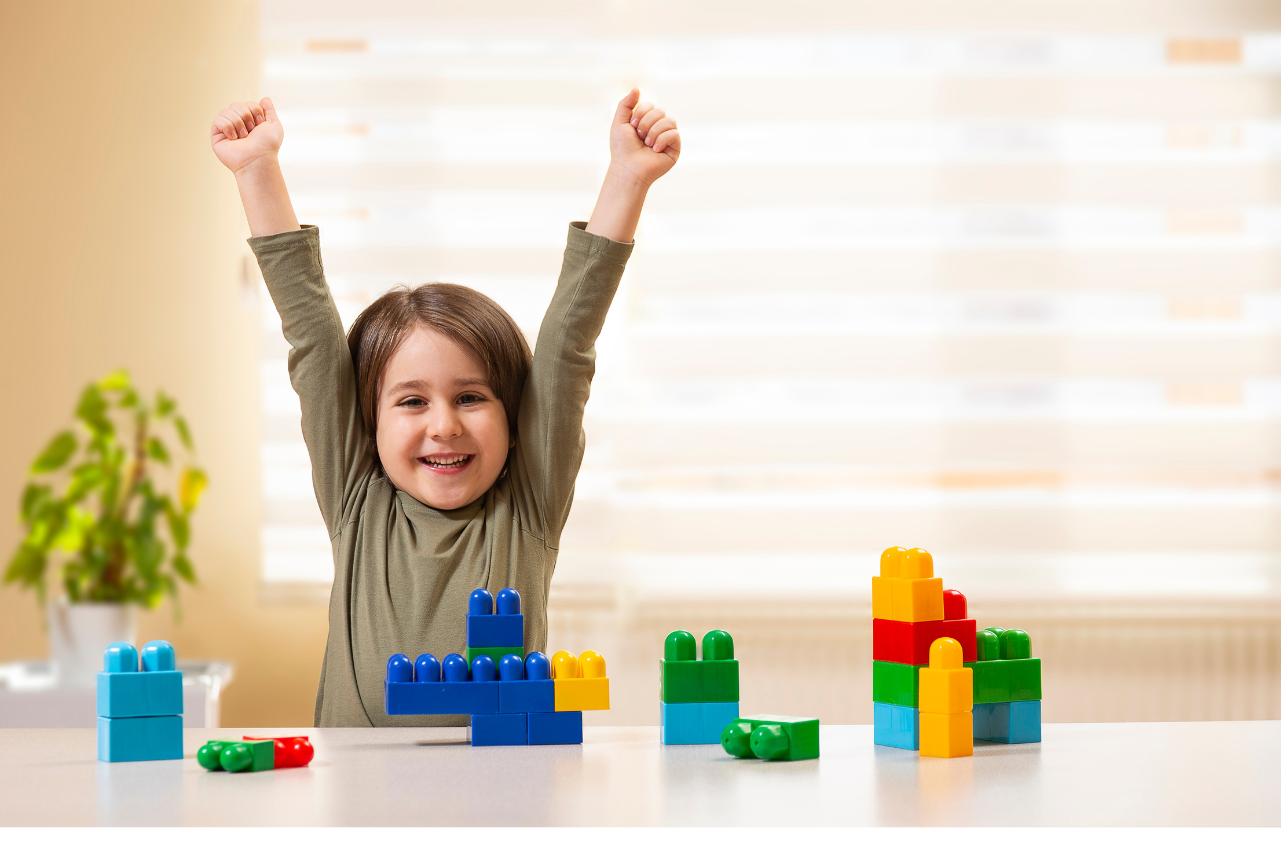
CPGN is transforming schools into safe havens through anti-bullying policies and children’s advocacy centers. Support child protection—donate today
When 12-year-old Maya switched schools last year, her parents hoped she’d finally escape the bullies who mocked her stutter. Instead, the taunts followed her online—cruel comments flooding her social media. Maya’s story isn’t unique. For millions of children, the question “Are schools safe?” isn’t rhetorical—it’s a daily reality. At Child Protection Global Network (CPGN), we believe schools should be sanctuaries where children learn, grow, and thrive—not battlefields. Through stronger institutional policies, community partnerships, and unwavering advocacy, we’re working to ensure every classroom becomes a safe place for children.
The Stark Reality: Are Schools Safe Enough?
Parents across the U.S. grapple with fear: Is it safer to homeschool? While homeschooling addresses some risks, it shouldn’t be the only solution. The truth is, schools can be safe havens—but only if they prioritize protected childhood through action, not just promises.
Consider these facts:
- 1 in 5 students report being bullied at school, with 15% facing cyberbullying.
- Institutional harassment and discrimination disproportionately affect LGBTQ+ students and children of color.
- Less than 40% of schools have full-time counselors to address trauma or abuse.
These gaps leave children vulnerable, but they also present an opportunity. By strengthening institutional policies against bullying and exploitation, schools can transform into spaces where every child feels seen and safe.
Building Barriers Against Bullying: What Works
The question isn’t just “Is bullying illegal in schools?”—it’s “How do we stop it?” Effective institutional policies examples include:
- Zero-tolerance anti-bullying protocols with clear reporting channels.
- Mandatory training for staff to recognize signs of institutional abuse or neglect.
- Partnerships with children’s advocacy centers, which provide trauma-informed support to victims.
In New York, CPGN partnered with a public school district to implement a “Buddy Bench” program, where trained peers mediate conflicts and foster inclusivity. Within a year, bullying reports dropped by 30%. This proves that when schools adopt public policy bullying reforms, change happens.
Beyond Classrooms: The Role of Children’s Advocacy Centers
When schools lack resources, children’s protection services bridge the gap. Organizations like children’s advocacy centers (CACs) work within communities to:
- Investigate allegations of abuse or institutional harassment.
- Provide therapy and legal aid for traumatized children.
- Train educators to spot red flags, from sudden withdrawal to unexplained bruises.
But in today’s digital world, threats to children’s safety go beyond the classroom. Social media has created new risks—cyberbullying, online grooming, and exposure to harmful content are growing concerns. That’s why it’s essential to understand how social media shapes children’s lives and the importance of digital literacy in child protection. At CPGN, we support schools and communities in navigating both offline and online dangers to keep every child safe.
Why Schools Matter in the Fight for Child Safety
The debate over “how safe are schools in the US” often misses the bigger picture: schools are microcosms of society. When we fail children here, we fail our future. But when we invest in institutional policies that prioritize safety, we:
- Prevent trauma that can last a lifetime.
- Empower educators to be first responders, not bystanders.
- Build trust between families and institutions.
How You Can Help Create Safe Havens
At CPGN an NGO working for child welfare, we’re not just asking, “Are schools safe?”—we’re building solutions. But we need your help. Here’s how you can make a difference:
- Donate:
- 50trainsateacherinanti−bullyingstrategies.
- 50trainsateacherinanti−bullyingstrategies.500 funds a school’s partnership with a children’s advocacy center.
- Advocate: Urge local leaders to adopt stronger public policy bullying laws.
- Share: Follow us @CPGN to learn how schools are becoming safe havens.
Together, we can ensure no child fears the classroom.
Visit cpgn.org to join our mission.

Mark Schwartz

See a child in danger? If you are in immediate danger, call local emergency services. For guidance from CPGN, GET HELP.
CPGN is a 501(c)(3)—donations are tax-deductible where applicable. Our goal is to ensure the safety and protection of every child until it is achieved.
Quick Links

See a child in danger? If you are in immediate danger, call local emergency services. For guidance from CPGN, Get Help.
CPGN is a 501(c)(3) — donations are tax-deductible where applicable. Our goal is to ensure the safety and protection of every child until it is achieved.
Copyright © 2026 CPGN. All rights reserved by Majnate LLP | Privacy Policy | Terms and Conditions