
How to Report Someone to Child Protective Services
Learn how to report suspected child abuse to CPS, what information to share, and what happens after a report. Taking action helps protect children and ensures their safety without fear of being wrong.
If you are reading this, chances are something in your gut is telling you that a child might not be safe. That feeling can be heavy. You might be scared of getting it wrong, worried about making things worse, or unsure what “counts” as reportable. Take a breath. In the United States, reporting suspected child abuse or neglect is not about proving a case. It is about opening a door to safety and support when a child may be at risk.
Quick Summary: What This Guide Covers
- When a Child Protective Services report is appropriate
- The most common situations that should be reported
- The step-by-step process to report someone to Child Protective Services in the US
- What information helps, even if you do not know everything
- What usually happens after a report is made
- How to find support for yourself and the child
Understanding When a CPS Report Is Needed
A lot of people hesitate because they think, “I’m not 100% sure.” Here is the truth: you do not need certainty to make a report. You report when you have a reasonable concern that a child may be experiencing abuse or neglect or may be at risk. CPS and trained intake workers assess the report and decide what steps to take next.
If a child is in immediate danger, call 911 first. Emergency services are for urgent situations where a child’s safety cannot wait.
A simple way to think about it
Ask yourself:
- Is a child being harmed right now, or could harm happen soon?
- Is there a pattern that suggests neglect, violence, or exploitation?
- Would I want someone to speak up if this were my child?
If your answer leans toward “yes,” it is time to take action.
Situations That Should Be Reported to Child Protective Services
Child Protective Services exists to respond to suspected child abuse and neglect. Reports can include concerns about:
- Physical abuse (hitting, choking, burning, injuries that do not match the explanation)
- Sexual abuse or exploitation (any sexual contact with a child, grooming, inappropriate photos, trafficking)
- Neglect (lack of food, supervision, safe shelter, medical care, or consistent caregiving)
- Emotional abuse (constant humiliation, threats, extreme control, exposure to severe verbal violence)
- Exposure to domestic violence that puts a child at risk
- Dangerous environments (drug activity in the home, weapons used in threats, severe hazards)
If you want help identifying warning signs, CPGN has a helpful guide you can scan quickly: 10 Warning Signs of Child Abuse Every Parent Should Know.
Who Can Make a Child Protective Services Report
Anyone can report suspected child abuse or neglect. You do not have to be a parent, teacher, or professional. You can be a neighbor, family friend, relative, coach, faith leader, or someone who simply noticed something that does not feel right.
Some professionals are also mandated reporters, meaning they are legally required to report suspected abuse or neglect in many situations. Even if you are not a mandated reporter, your voice still matters.
Steps to Report Someone to Child Protective Services
This is the part most people want, but it often comes with nerves. Let’s make it simple.
Step 1: If it is an emergency, call 911
If you believe a child is in immediate danger, call 911. You can contact CPS after the urgent safety issue is addressed.
Step 2: Find the correct reporting hotline for your state
CPS is run at the state level, so reporting numbers vary. The most reliable place to find your state hotline is the Child Welfare Information Gateway’s directory of State Child Abuse and Neglect Reporting Numbers.
If you are not sure where to start or you want a supportive person to guide you, you can also contact the Childhelp National Child Abuse Hotline (call or text 800-422-4453). They are available 24/7 and can help connect you to local reporting options.
Step 3: Make the report by phone (or online where available)
Most states accept reports by phone, and some also offer online reporting for certain types of cases. When you call, you may speak with an intake worker who will ask questions and document what you share.
If your concern involves online child sexual exploitation, you can also report to the National Center for Missing and Exploited Children’s CyberTipline. This is especially relevant for explicit images, grooming, sextortion, and trafficking-related online activity.
Step 4: Share the most helpful information you have
You do not need every detail. Share what you know, as clearly as you can. Helpful information can include:
- The child’s name, age, and address (if known)
- Names of parents or caregivers (if known)
- What you observed or what the child disclosed
- When it happened and whether it is ongoing
- Any injuries, risks, or threats
- Other children in the home
- Anything that makes you believe the child is unsafe
If you are unsure, it is okay to say, “I don’t know.” What matters most is that you report in good faith.
Anonymous and Confidential Reporting Options
Many people hesitate because they fear retaliation or community fallout. Here is the reassuring part: reports are generally confidential, and many states allow anonymous reporting in some form. Exact rules vary by state, but the reporting process is designed to protect people who speak up responsibly.
If you are worried about your safety, you can start by speaking with a hotline counselor through the Childhelp National Child Abuse Hotline to talk through safe next steps.
What Happens After a CPS Report Is Made
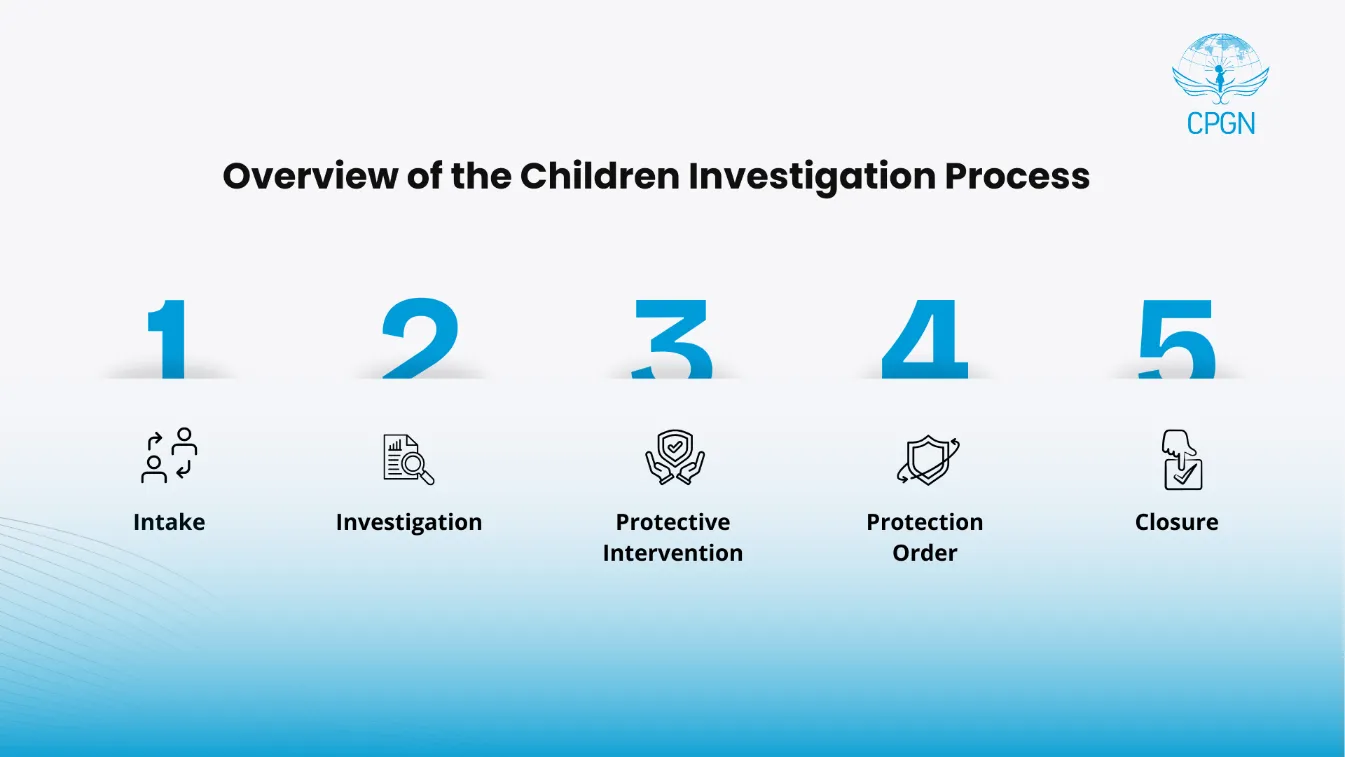
This is one of the biggest unknowns, and fear grows in the silence. While processes vary by state, the typical flow looks like this:
- Intake and screening: CPS reviews your report and decides whether it meets the criteria for investigation or assessment.
- Response level is assigned: Some cases require urgent response; others are scheduled based on risk.
- Investigation or assessment: CPS may interview the child, caregivers, and others. They may coordinate with schools, medical providers, or law enforcement when appropriate.
- Next steps: Outcomes can range from connecting the family to services, safety planning, ongoing monitoring, or court involvement in serious cases.
It can be hard to sit with the uncertainty after you report. But if a child is unsafe, reporting can be the moment that changes their story.
Addressing Fear, Doubt, and the “What If I’m Wrong?” Feeling
Let’s be honest: reporting someone to Child Protective Services can feel scary. Sometimes the person you are reporting is a family member. Sometimes it is a respected community figure. Sometimes you worry you will be blamed.
You are not alone in those fears.
Here is a grounding truth: children rarely have power in unsafe situations. Adults do. Reporting is one way adults use their power to protect, not to punish.
Do you know?
UNICEF defines child protection as preventing and responding to violence, exploitation, abuse, and neglect for every child, everywhere. That means protection is not only a system’s job. It is a community responsibility.
If you are feeling overwhelmed, focus on one next step: make the call, ask for guidance, and share what you know.
After reporting, you might still be holding a lot: worry, guilt, anger, sadness, or even relief. You might also need practical support, especially if you are a caregiver, teacher, or someone close to the child.
Taking Action Is an Act of Care
Reporting suspected child abuse is not about being dramatic. It is about choosing a child’s safety over silence. It is about saying, “I see you. You matter. You deserve protection.”
If you are on the fence, remember this: doing nothing keeps things exactly the same. Speaking up creates a chance for change.
Taking action saves lives. Beyond reporting, you can support long-term child safety by joining our campaign at CPGN.org.
About Child Protection Global Network
Child Protection Global Network (CPGN) is a US-based organization with two decades of dedication to protecting children and strengthening child welfare responses. Our work centers on prevention, education, advocacy, and practical support for those navigating child safety concerns. When you speak up for a child, you are not “getting involved”; you are helping build a safer community. If you want support, resources, or a trusted place to start, visit CPGN Help Resources and explore our growing library of child protection guidance designed to help families and professionals take informed, compassionate action.
FAQs
No. A CPS report does not mean a child is immediately removed. CPS first assesses safety and may offer services, support, or monitoring. Removal happens only when a child is at serious risk and no safer alternatives exist.
This is common and heartbreaking. Reporting is still the safest choice. Children often fear consequences or blame themselves. Reporting shifts responsibility to trained professionals who can protect the child without placing the burden on them.
In the U.S., people who report in good faith are legally protected in most states. You are not expected to be right. You are expected to care and speak up when something feels wrong.

See a child in danger? If you are in immediate danger, call local emergency services. For guidance from CPGN, GET HELP.
CPGN is a 501(c)(3)—donations are tax-deductible where applicable. Our goal is to ensure the safety and protection of every child until it is achieved.
Quick Links

See a child in danger? If you are in immediate danger, call local emergency services. For guidance from CPGN, Get Help.
CPGN is a 501(c)(3) — donations are tax-deductible where applicable. Our goal is to ensure the safety and protection of every child until it is achieved.
Copyright © 2026 CPGN. All rights reserved by Majnate LLP | Privacy Policy | Terms and Conditions