How to Protect Your Child from Bad Influences?
Learn simple ways to protect your child from bad influences, including harmful media, peer pressure, and online risks, while building resilience and strong decision-making skills.
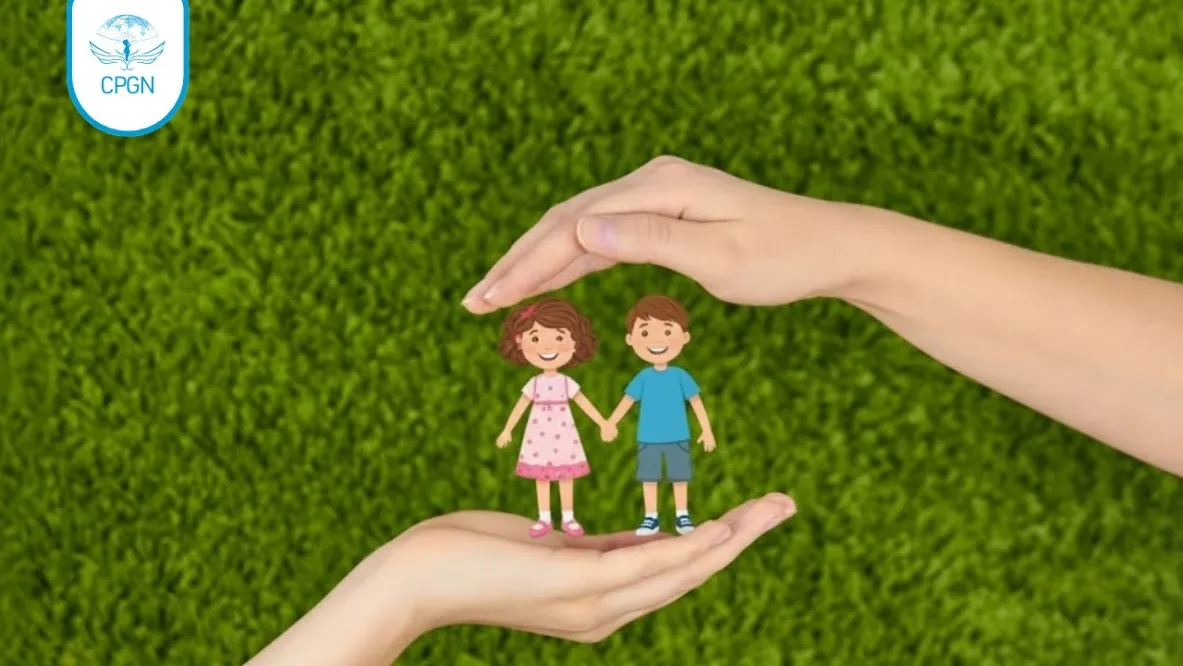
As a parent or caregiver, one of your most important jobs is to keep your child safe. In today’s world, that means more than just providing for their physical needs; it also means protecting them from harmful influences that can negatively impact their emotional, social, and mental well-being.
Whether it’s exposure to inappropriate media, peer pressure, or digital content, bad influences are all around. But the good news is that there’s a lot you can do to help your child navigate these challenges and build a strong foundation of resilience.
In this guide, we’ll explore practical ways you can protect your child from negative influences. By setting up protective boundaries, promoting positive behavior, and staying actively involved in their lives, you can help them grow into strong, independent individuals who are capable of resisting peer pressure and other negative forces.
Quick Summary: What You’ll Learn
- Understanding bad influences and how they affect children
- Practical ways to shield your child from harmful media, peers, and online content
- Parenting techniques that promote resilience and good decision-making
- How CPGN is empowering families to protect children through safety campaigns
What Are “Bad Influences,” and Why Do They Matter?
A bad influence can come in many forms. It could be from media, peers, or online interactions that promote harmful behaviors like aggression, substance abuse, or risky online activities. Children are particularly vulnerable to these influences because they are still developing their sense of identity, values, and decision-making skills.
The Role of Media
Television shows, movies, video games, and even social media can all have a significant impact on how children behave and view the world. Studies have shown that exposure to violent content on TV, for example, can lead to increased aggression in children. In fact, children may see up to 12,000 violent acts on television annually. That’s a lot for any child to process, especially when they’re still learning how to cope with their emotions.
Do you know?
According to research, children aged 6-11 can see as many as 20,000 commercials per year, and many of these ads are designed to target children’s desires and manipulate their purchasing decisions. (en.wikipedia.org)
Peer Pressure and Social Influences
As children grow, they begin to interact with peers who may influence their behavior. Sometimes, these influences are positive, but they can also encourage harmful behaviors like bullying, cheating, or even experimenting with substances. Peer pressure can be especially strong in adolescence when children are more likely to conform to group norms.
 See related Article: The Role of Society in Child Development and Protection
Digital Influences
We live in an age where digital technology, social media, and video games are a constant part of everyday life. Although these platforms can be educational and entertaining, they also expose children to potential risks. Cyberbullying, inappropriate content, and online predators are all real dangers that children face online. Research shows that unmonitored screen time can lead to higher risks of mental health issues and poor body image. (clinical-partners.co.uk)
See related Article: Online Safety for Children: What Every Parent Should Know
5 Ways to Protect Your Child from Bad Influences
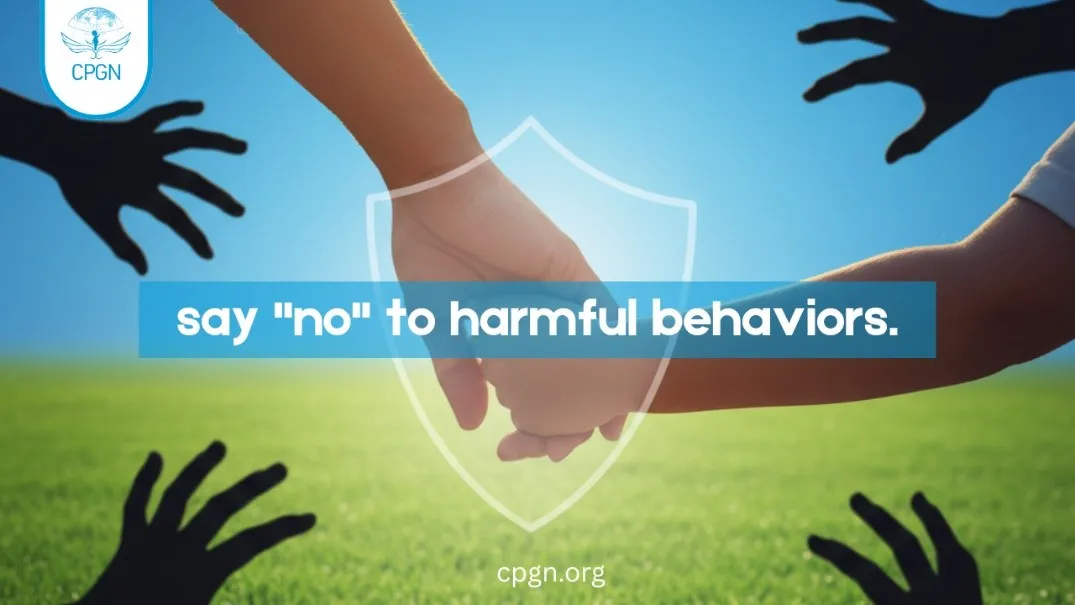
Now that we understand what constitutes bad influences, let’s dive into some effective strategies for protecting your child.
1. Be Actively Involved in Their Media Consumption
In today’s world, children are exposed to media from an early age, and the type of content they consume can influence their behavior. To protect them, it’s important to monitor and co-view what they watch, play, and listen to.
- Set screen time limits: Follow recommendations from experts, such as limiting screen time to one hour per day for children under 6 and setting boundaries for older kids.
- Watch content together: Take the time to watch movies or shows or play games with your child. This not only ensures that the content is age-appropriate but also opens up a dialogue for discussing any potentially concerning themes or behaviors.
- Encourage positive media: Promote content that is educational, fun, and promotes healthy values. There are many child-friendly shows and apps that foster creativity, critical thinking, and empathy.
Insights for You:
Social media platforms like Instagram and TikTok are often used by young people to share and view harmful content. Yet, parental controls and setting up privacy settings can significantly limit exposure to inappropriate material. (unicef.org)
2. Teach Them to Say “No” to Peer Pressure
As children age, they are more likely to face peer pressure. The key to helping them resist bad influences from peers is to build their confidence and help them feel comfortable asserting themselves.
- Role-playing scenarios: Help your child practice saying “no” in various situations, whether it’s refusing to try drugs or standing up to bullying.
- Praise assertiveness: Reinforce their ability to make healthy choices by acknowledging their courage and integrity in saying “no” to harmful behaviors.
- Build a strong sense of self: Children who have a clear sense of identity and self-worth are less likely to be swayed by negative peer pressure.
3. Set Clear Boundaries and Rules
Children thrive when they know what is expected of them. Setting clear, consistent rules helps them understand the behaviors you expect and the consequences for crossing boundaries.
- Establish rules: Set rules for behavior, technology use, curfews, and social interactions. Be consistent and enforce the rules respectfully.
- Use positive reinforcement: Praise your child when they follow the rules, which encourages them to continue making positive decisions.
4. Encourage Open Communication
Children who feel they can talk openly about their experiences are less likely to fall victim to harmful influences. Keep the lines of communication open and ensure your child knows they can talk to you about anything — without fear of judgment or punishment.
- Listen actively: Give your child your full attention when they speak, validating their feelings and providing thoughtful responses.
- Discuss peer pressure openly: Help your child understand that it’s okay to feel pressured, but it’s always better to choose the right path, even if it means standing alone.
- Talk about digital safety: Discuss the dangers of sharing personal information online, the importance of privacy settings, and how to recognize harmful content.
5. Be a Positive Role Model
Children learn by watching their parents. If you want your child to make good decisions, show them how it’s done. Demonstrate healthy behaviors, respectful communication, and sound decision-making in your everyday life.
- Model healthy relationships: Show your child how to build strong, respectful relationships with others, and avoid unhealthy relationships or toxic environments.
- Live by your values: If you uphold values like kindness, honesty, and integrity, your child will see how important these traits are in everyday life.
Building a Strong Foundation Helps Children Resist Negative Pressure
Protecting your child from bad influences doesn’t just mean limiting their exposure to negative content or people. It’s about building a strong, supportive environment where they feel empowered to make positive choices. From media habits to peer pressure, teaching your child resilience and good decision-making skills will help them confidently navigate the challenges of growing up in a complex world.
Support CPGN to Empower Youth Through Safety Campaigns
Understanding how to protect your child from negative influences is the first step in creating a safe, nurturing environment. CPGN is committed to supporting families and communities in crisis by providing the resources, education, and advocacy needed to ensure every child is safe and protected. See how you can help support our campaigns and make a difference in the lives of children everywhere.
About Child Protection Global Network (CPGN)

Child Protection Global Network (CPGN) is a leading nonprofit dedicated to safeguarding children around the world. With over 20 years of experience, we work tirelessly to provide resources and advocacy for children in need, empowering families to create safe, nurturing environments. Join our efforts to support and protect children.
Together, we can make the world a safer place for every child.
FAQs
Look for changes in behavior like sudden disinterest in hobbies, increased secrecy, or adopting risky behaviors. Open conversations and active listening can help identify problems early.
While limiting screen time is important, it’s equally crucial to monitor the type of content they’re exposed to and maintain regular conversations about online safety.
Encourage your child to express their feelings and make decisions based on their values, not just what others think. Role-playing and praise for assertiveness can build their confidence.

See a child in danger? If you are in immediate danger, call local emergency services. For guidance from CPGN, GET HELP.
CPGN is a 501(c)(3)—donations are tax-deductible where applicable. Our goal is to ensure the safety and protection of every child until it is achieved.
Quick Links

See a child in danger? If you are in immediate danger, call local emergency services. For guidance from CPGN, Get Help.
CPGN is a 501(c)(3) — donations are tax-deductible where applicable. Our goal is to ensure the safety and protection of every child until it is achieved.
Copyright © 2026 CPGN. All rights reserved by Majnate LLP | Privacy Policy | Terms and Conditions