
The Lifelong Impact: How Intimate Partner Violence Affects Children
Intimate partner violence leaves lasting emotional, psychological, and developmental scars on children—often long after the abuse ends.
Introduction
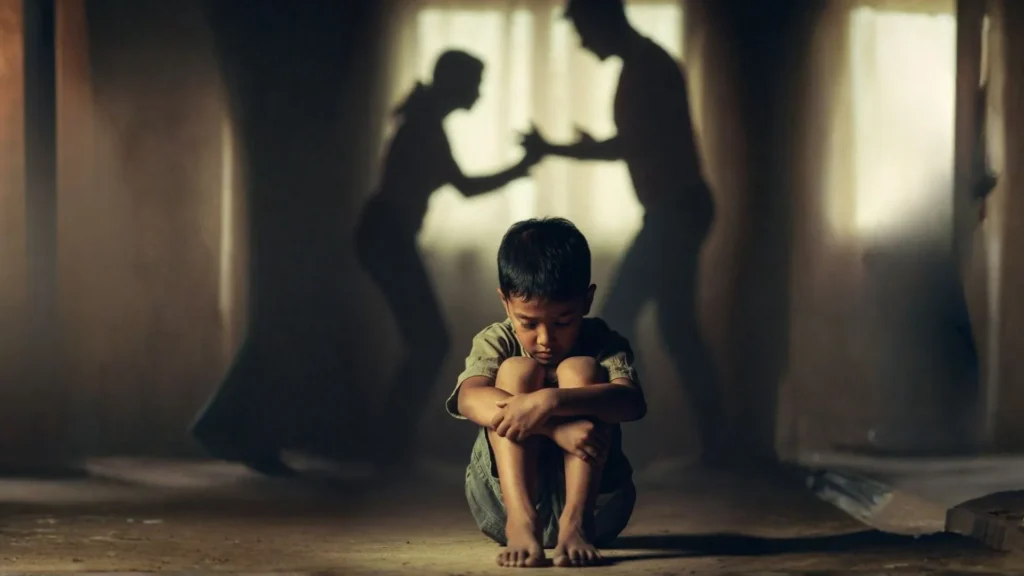
Intimate Partner Violence (IPV) is often seen as something that primarily affects the adults involved. But what many don’t realize is that children living in homes where IPV occurs can suffer just as much, if not more. Even when a child is not directly abused, the effects of witnessing violence or living in a tense, unsafe environment can be devastating.
In this blog post, we’ll explore domestic violence, including intimate partner violence (IPV), the various forms it can take, and how children are impacted by it. We’ll also examine the long-term consequences of children’s exposure to domestic violence and IPV and provide actionable steps for families and professionals to recognize and address these issues.
Quick Summary: Understanding IPV’s Impact on Children
While intimate partner violence affects both adults in the relationship, the consequences for children living in those environments are long-lasting. IPV doesn’t just involve physical abuse—it can also include emotional, sexual, and economic violence, as well as coercive control. In this post, we will:
- Define IPV and its different forms.
- Explain how children are affected by witnessing IPV.
- Discuss the long-term impact on children’s development.
- Provide guidance on how families and professionals can recognize the signs and respond effectively.
What Is Intimate Partner Violence (IPV)?
Intimate Partner Violence (IPV) is a term that encompasses all forms of abuse that occur in a close relationship—whether that’s physical, emotional, sexual, or economic. It includes not only the violence but also coercive control, where one partner manipulates the other through fear, intimidation, or isolation.
Types of IPV:
- Physical abuse: Hitting, slapping, choking, etc.
- Emotional abuse: insults, threats, and controlling behaviors.
- Sexual abuse: Coercing or forcing sexual acts without consent.
- Coercive control: Using manipulation, threats, or isolation to dominate and control the partner.
- Economic abuse: Restricting access to money, preventing a partner from working, or controlling finances.
IPV isn’t always easy to recognize, but understanding its various forms helps in identifying it early, especially in families with children.
How IPV Affects Children: More Than Just Witnessing Violence
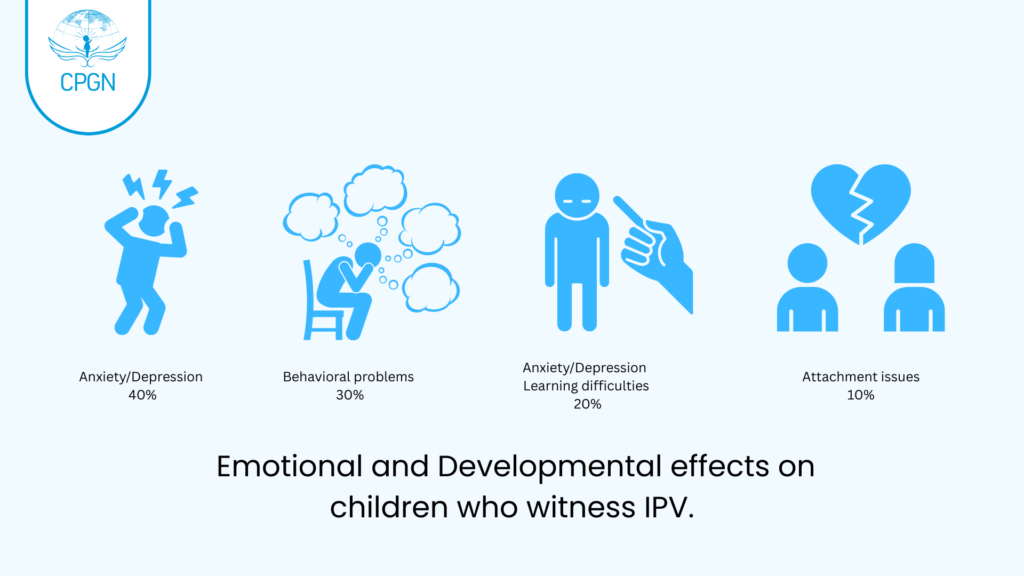
Children who grow up in households where IPV occurs can experience emotional and developmental harm, even if they are not directly abused. Here’s how:
- Witnessing violence: Children may witness physical fights, verbal abuse, or emotional manipulation, which can create confusion, anxiety, and distress.
- Living in constant tension: The atmosphere of fear and unpredictability can leave children feeling unsafe and unsure of how to navigate their surroundings.
- Disrupted caregiving: When a parent is a survivor of IPV, their ability to provide consistent, nurturing care may be impaired, leading to attachment issues and developmental delays.
Pro Tip for Parents:
If you notice that your child is withdrawn, exhibiting aggression, or struggling in school, it might be a sign that they are being impacted by the tension or trauma caused by IPV at home.
The Short-Term and Long-Term Impact on Child Development
The effects of IPV on children can be both immediate and long-term. In the short term, children may:
- Show signs of anxiety, depression, or fear.
- Act out aggressively or withdraw socially.
- Struggle with school performance or concentration.
Over the long term, these children are more likely to:
- Develop PTSD and emotional regulation issues.
- Have difficulties forming relationships in adulthood.
- Be at risk for future victimization or even perpetuating violent behavior.
Studies show that children who experience IPV are three times more likely to suffer from mental health issues like depression, anxiety, and substance abuse in adolescence.
Who Can Experience IPV? Breaking Stereotypes
It’s important to note that IPV doesn’t discriminate. While women are often portrayed as the primary victims, anyone can experience IPV, regardless of gender, sexuality, age, or socioeconomic background.
- Men: 1 in 9 men have experienced IPV during their lifetime.
- LGBTQ+ individuals: IPV affects people of all sexual orientations and genders.
- Elderly: Older adults can experience IPV, often in situations where one partner is more dependent on the other for care.
Recognizing Signs of IPV in Families
The signs of IPV may not always be visible at first, but there are key things to look out for:
- Physical injuries: Unexplained bruises, burns, or fractures.
- Behavioral changes: Sudden anxiety, aggression, or withdrawal from social interactions.
- Isolation: The survivor may be cut off from friends, family, or resources.
For Healthcare Providers: If you notice patterns of injuries or inconsistent medical histories, consider that IPV might be present and involve child protective services.
Safety Planning: Protecting Children and Survivors
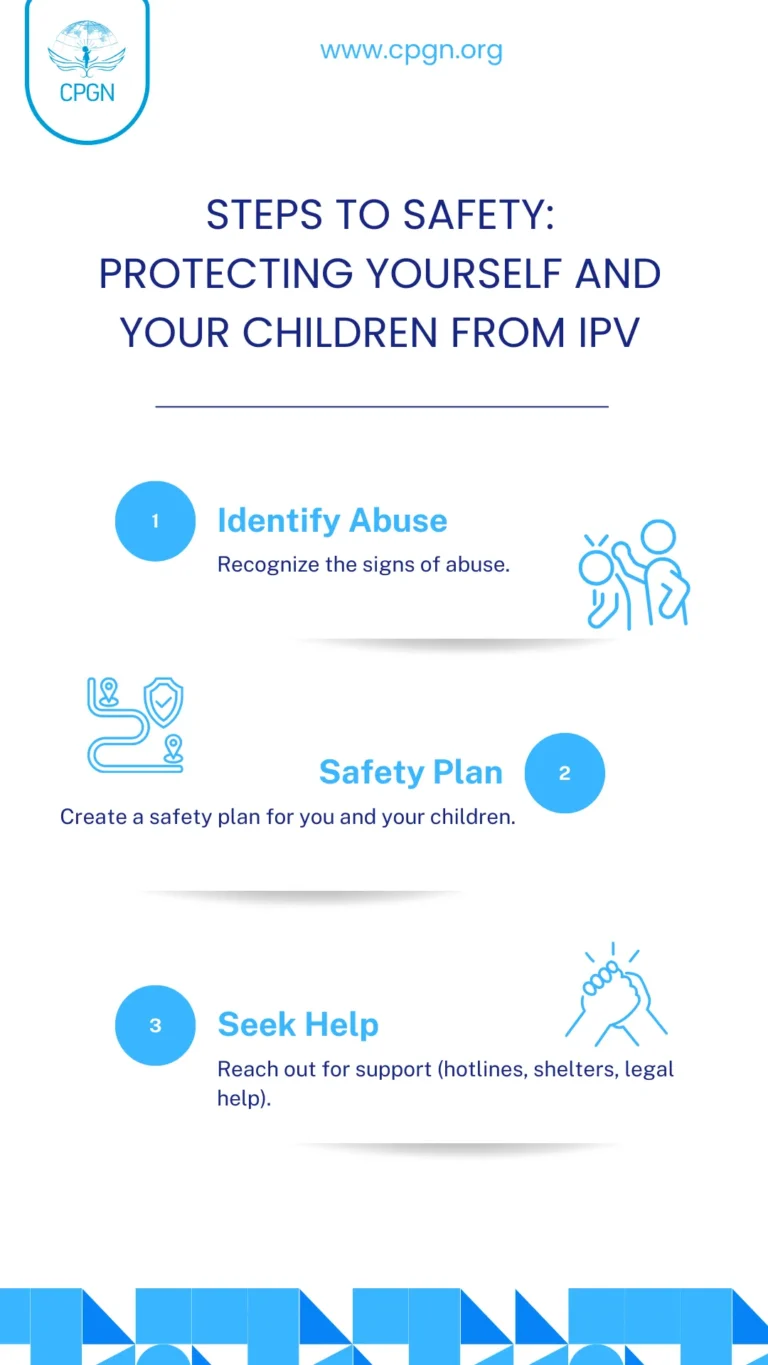
For families affected by IPV, a safety plan is crucial. Here are key steps for creating a safety plan that includes children’s needs:
- Identify a safe space: Establish places where children can go if the violence escalates (e.g., a neighbor’s house).
- Prepare emergency contacts: Have a list of emergency numbers, trusted friends, and family members to reach out to.
- Plan for legal help: Understanding your legal rights and having restraining orders or legal resources in place can make all the difference.
Healing and Intervention Resources for IPV Survivors
There are various resources available for individuals affected by IPV:
- Hotlines: National IPV hotlines can offer immediate support and connect you with services.
- Counseling: Therapy for both survivors and children is essential in healing emotional wounds.
- Legal aid: For those needing legal protection or help with custody issues, connecting with a lawyer or legal advocate is crucial.
If you’re looking for more information on how to safely leave an IPV situation, explore the CDC’s IPV resources.
For Survivors: Protecting Children While Escaping IPV
Leaving an abusive situation is never easy, especially when children are involved. Economic, cultural, and legal barriers can make it challenging for survivors to break free from the cycle of abuse. However, it is possible. Here are a few steps for those escaping IPV:
- Create a safety plan that includes your children.
- Reach out to shelters and IPV advocates who can help navigate the process of leaving safely.
- Seek counseling and legal assistance to ensure the safety of you and your children during and after the separation.
How CPGN Is Helping Families Affected by IPV
At CPGN, we are committed to supporting survivors of intimate partner violence and ensuring that children affected by IPV receive the care and protection they deserve. Through our education programs, counseling resources, and advocacy for stronger legal protections, we aim to help families escape abusive environments and rebuild their lives in safety.
If you or someone you know is experiencing IPV, CPGN is here to provide resources and support every step of the way.
Moving Toward a Safer Future for Children and Families
Intimate Partner Violence (IPV) has far-reaching effects on children whether they witness the violence directly or live in an environment filled with tension, fear, and uncertainty. Recognizing the signs, understanding the impacts, and taking steps toward safety and support are critical in helping break the cycle of violence.
If you are currently in an IPV situation or know someone who is, CPGN offers resources to help families find safety and heal from the trauma of IPV. Together, we can work toward a world where every child grows up in a safe, loving environment.
FAQs
Children who witness IPV may experience anxiety, emotional trauma, and developmental delays. Even if they aren't physically harmed, the stress from living in an unsafe environment can impact their mental health and behavior.
If you suspect a child is being impacted by IPV, seek help from child protective services, a mental health professional, or a trusted advocate. It’s crucial to intervene early to ensure the child’s safety and well-being.

See a child in danger? If you are in immediate danger, call local emergency services. For guidance from CPGN, GET HELP.
CPGN is a 501(c)(3)—donations are tax-deductible where applicable. Our goal is to ensure the safety and protection of every child until it is achieved.
Quick Links

See a child in danger? If you are in immediate danger, call local emergency services. For guidance from CPGN, Get Help.
CPGN is a 501(c)(3) — donations are tax-deductible where applicable. Our goal is to ensure the safety and protection of every child until it is achieved.
Copyright © 2026 CPGN. All rights reserved by Majnate LLP | Privacy Policy | Terms and Conditions