How to Support Children Affected by Domestic Violence
Millions of children witness domestic violence each year, leaving invisible scars that affect their emotional, social, and cognitive development.
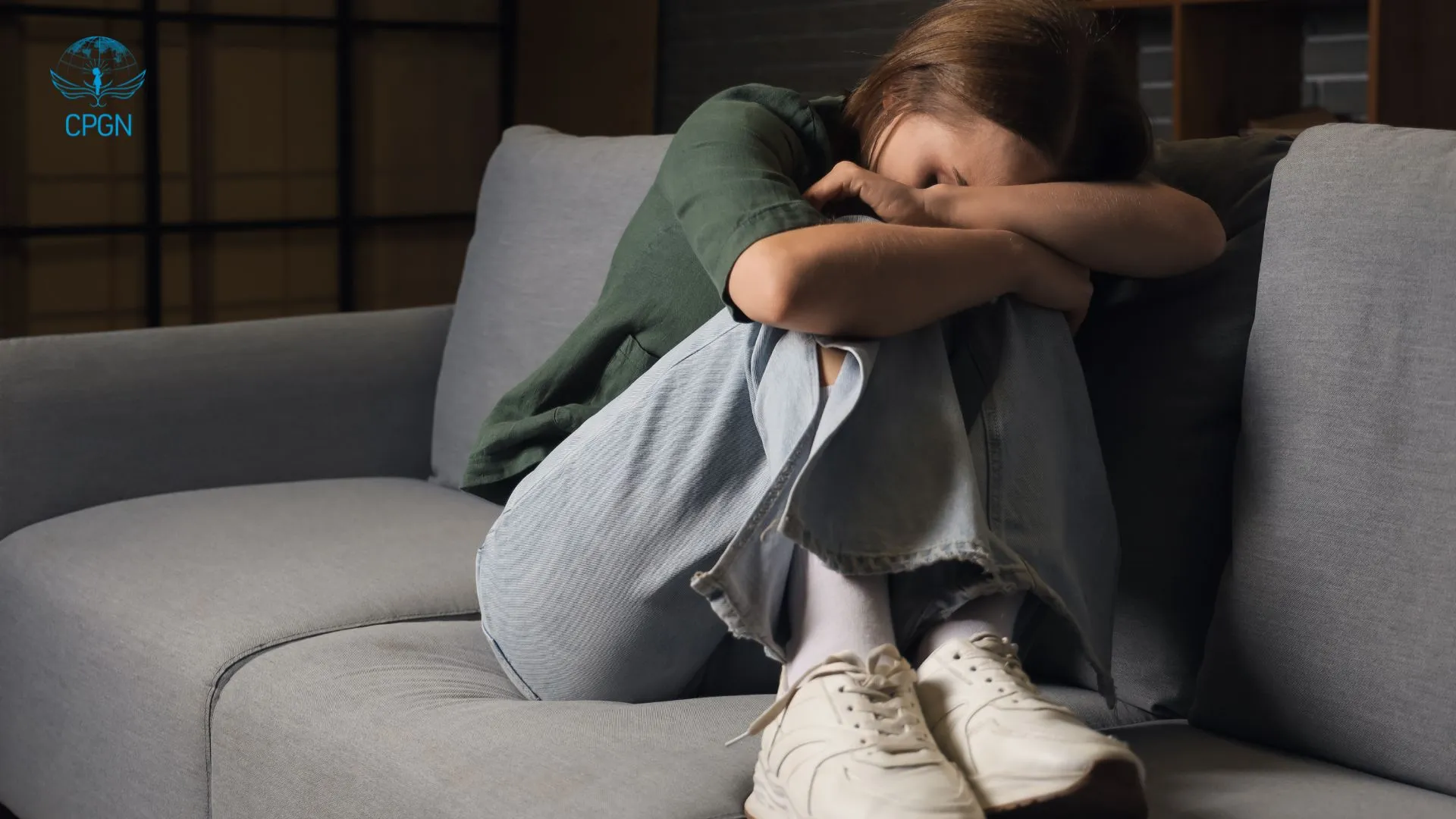
Children who grow up in homes where domestic violence occurs often face long-lasting emotional and psychological consequences. These children may experience fear, confusion, and even guilt, feelings that are difficult to express and understand. But with the right support, they can heal and break free from the cycle of abuse.
This article aims to guide caregivers, teachers, and community members on how to help children affected by domestic violence. By recognizing the signs of trauma and providing a safe, supportive environment, we can empower children to heal and prevent long-term trauma. The sooner we offer support, the better the chances of preventing lasting psychological damage.
Related topic: Intrafamilial Child Torture
Key Takeaways
- Recognize the signs of trauma in children, including behavioral, emotional, and social symptoms.
- Create a safe and nurturing environment where children feel secure and supported.
- Provide therapy and professional mental health support to help children process their experiences.
- Foster resilience and healthy coping skills to help children navigate their emotions and build strength.
Step 1: Recognize the Signs
Behavioral Signs
Children who witness domestic violence may exhibit changes in behavior. These include:
- Aggression: Outbursts of anger or frustration that may be directed at peers or adults.
- Withdrawal: Avoidance of social situations, or difficulty engaging in activities they once enjoyed.
- Attention Issues: Trouble focusing in class or during conversations, often due to anxiety or distraction.
For more detailed insights on identifying the warning signs of child abuse, visit 10 Warning Signs of Child Abuse Every Parent Should Know.
Emotional Signs
Emotionally, children might feel:
- Anxiety: Constant worry about their safety or the safety of others.
- Guilt: They may blame themselves for the violence or believe they could have prevented it.
- Shame: A deep sense of worthlessness, often linked to the abuse they’ve witnessed or endured.
- Hypervigilance: A heightened state of alertness, constantly feeling that danger is near.
Social Signs
Socially, children may struggle with:
- Trusting peers: Difficulty making friends or trusting others, often due to the betrayal they witnessed at home.
- Isolation: Pulling away from family, friends, and activities, making them feel even more alone in their pain.
Tip: If you notice these signs in a child, it’s important to approach the situation with empathy and patience, offering a safe space for them to express their feelings.
Step 2: Create a Safe and Nurturing Environment
Physical and Emotional Safety
The first step in helping a child recover is to create an environment where they feel physically and emotionally safe. This includes:
- Ensuring they are free from harm.
- Encouraging them to speak openly without fear of judgment.
Encourage Open Communication
Let the child know that it’s safe to talk about their feelings. Avoid pushing them to speak before they are ready, but be available when they are ready to share.
Set Predictable Routines and Boundaries
Children who have witnessed domestic violence often feel their world is unpredictable. Setting a consistent daily routine provides a sense of stability. Clear boundaries and rules help children feel secure.
Use Calm, Supportive Language
Model calmness in your own demeanor. Use kind, supportive language to foster a sense of safety and reassurance.

Step 3: Seek Professional Support
Therapy Options
Professional support is essential for children who have experienced domestic violence. Recommended therapies include:
- Cognitive Behavioral Therapy (CBT): Helps children reframe negative thought patterns and cope with trauma.
- Play Therapy: Provides a safe outlet for children to express their feelings through play.
- Family Counseling: Encourages the entire family to engage in the healing process together.
When to Consult Psychologists or Social Workers
A psychologist, social worker, or trauma specialist can provide the necessary therapeutic support. Look for warning signs like severe anxiety, depression, or behavioral difficulties that persist over time.
Encourage Group Support Programs
Group therapy can be particularly helpful, as it allows children to interact with others who have had similar experiences. Support groups for caregivers can also provide vital guidance in navigating their child’s healing process.
Trusted Sources & Hotlines:
Step 4: Build Emotional Resilience
Encourage Healthy Coping Strategies
Resilience can be built through activities that promote emotional well-being, such as:
- Journaling: Writing down thoughts and feelings can be a safe way for children to express themselves.
- Art: Creative expression through drawing or painting can help children process emotions.
- Mindfulness: Simple mindfulness exercises, such as breathing or guided imagery, can help children regulate their emotions.

Model Emotional Regulation as a Caregiver
Children often learn emotional regulation by observing adults. Model healthy coping mechanisms and demonstrate how to handle stress, anger, and sadness in a constructive way.
Celebrate Small Achievements
Acknowledge the child’s resilience by celebrating small steps they take toward healing. This could be a milestone like attending therapy or sharing a difficult memory.
Optional: You can conduct resilience-building exercises, such as “Create a strength jar” where children write down their strengths or achievements and add them to a jar as reminders.
Step 5: Educate and Advocate

Teach Children Age-Appropriate Knowledge About Abuse and Boundaries
It’s important to provide children with clear, age-appropriate information about healthy relationships and boundaries. Teach them that abuse is never their fault and that they deserve to feel safe.
Advocate for Child Safety in Schools and Communities
Work with local schools, community centers, and organizations to ensure that children in abusive environments have access to safe spaces and resources.
Encourage Reporting and Awareness Campaigns
Encourage children, families, and communities to be aware of the signs of domestic violence and to seek help when needed. Advocacy can help create a safer environment for all children.
CPGN: Supporting Children and Families in Need
At Child Protection Global Network (CPGN), we are dedicated to creating a world where every child feels safe and supported. We provide resources, guidance, and a platform for survivors to share their stories. Through our community impact initiatives, we work to ensure that children affected by domestic violence and abuse have access to the help they need. For more information, visit our Help & Resources page to find support.
Final Thoughts
Children affected by domestic violence deserve a future filled with hope, safety, and resilience. By recognizing the signs of trauma, providing a secure environment, and offering professional support, we can break the cycle of abuse and give these children the tools they need to thrive.
Together, we can empower children to heal and create a safer, brighter future for them. Spread awareness, provide safe spaces, and share resources to help those who need it most.
FAQs
Yes, with proper support, therapy, and a safe environment, children can heal and lead fulfilling lives. The sooner they receive help, the better their chances for recovery.
Teachers can provide a safe, supportive space, notice signs of trauma, and refer students to appropriate resources like counselors or social workers.
Support groups can be very effective, as they provide children with the opportunity to connect with others who have experienced similar trauma, reducing feelings of isolation and fostering healing.
Mark S.
Mark S. is a dedicated child protection advocate and co-founder of Child Protection Global Network (CPGN). With a background in community development and public education, he supports CPGN’s mission to protect children from abuse and neglect through awareness, prevention education, and community guidance.
Through his work with CPGN, Mark helps families, educators, and communities better understand child safety, recognize warning signs, and take informed steps when a child may be at risk. His writing focuses on making child protection information clear, practical, and accessible for people who want to create safer environments for children.
Mark believes that protecting children begins with awareness, early action, and stronger community responsibility. His work reflects CPGN’s commitment to helping every child feel safe, heard, and protected.
All Posts

See a child in danger? If you are in immediate danger, call local emergency services. For guidance from CPGN, GET HELP.
CPGN is a 501(c)(3)—donations are tax-deductible where applicable. Our goal is to ensure the safety and protection of every child until it is achieved.
Quick Links

See a child in danger? If you are in immediate danger, call local emergency services. For guidance from CPGN, Get Help.
CPGN is a 501(c)(3) — donations are tax-deductible where applicable. Our goal is to ensure the safety and protection of every child until it is achieved.
Copyright © 2026 CPGN. All rights reserved by Majnate LLP | Privacy Policy | Terms and Conditions