
How to Protect Your Child From a Narcissistic Parent: Boundaries, Co-Parenting & Emotional Safety Strategies
Learn how to protect your child from a narcissistic parent with clear boundaries, structured co-parenting, and emotional support strategies that prioritize your child’s well-being.
- Mark S.
- Last updated 11 September 2026
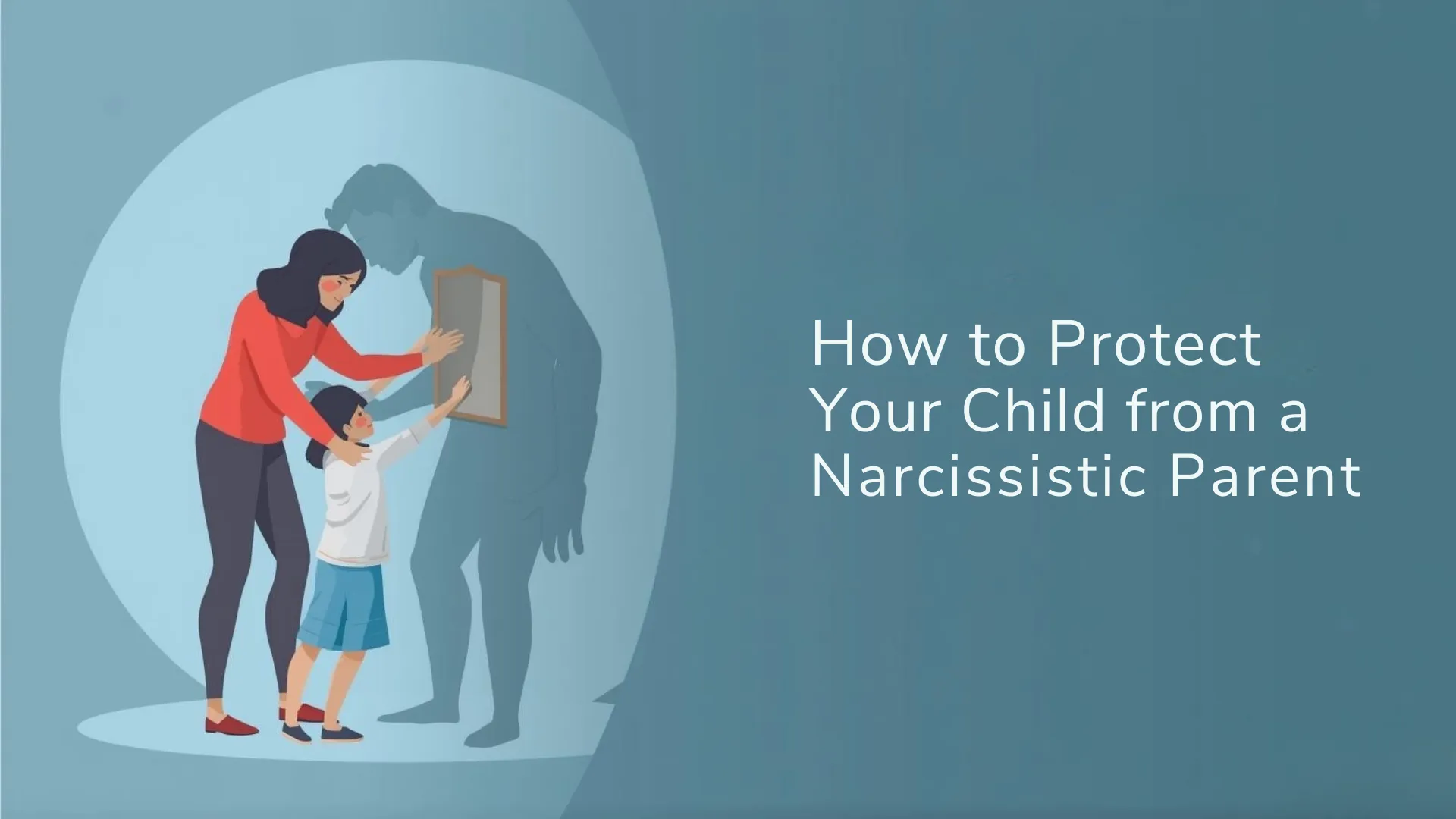
Co-parenting with a narcissistic individual can be one of the most challenging experiences a parent can endure. Narcissistic parents often exhibit a range of traits, from manipulation and emotional neglect to a lack of empathy — that can significantly impact their children.
Whether you’re dealing with a co-parent who has Narcissistic Personality Disorder (NPD) or one who displays narcissistic behaviors, it’s crucial to implement strategies that prioritize your child’s emotional safety and well-being.
This article will explore narcissistic parenting, the impact it can have on children, and the evidence-based strategies that parents can use to protect their child and ensure healthy development in challenging co-parenting dynamics.
 See related Article: How to Protect Your Child from an Alcoholic Father/Mother
What Is Narcissistic Parenting?
Narcissistic parenting occurs when a parent exhibits narcissistic traits, which can include a lack of empathy, an excessive need for admiration, and manipulative behavior. These parents may be primarily concerned with their own emotional needs and desires, often at the expense of their child’s well-being.
In clinical terms, Narcissistic Personality Disorder (NPD) is characterized by a pattern of grandiosity, a need for admiration, and a lack of empathy. While not all parents who display narcissistic behaviors meet the clinical criteria for NPD, the behaviors associated with narcissism (e.g., manipulation, entitlement, emotional exploitation) can still cause significant harm to children. (cambridge.org)
Children in these situations may feel emotionally neglected, confused about their feelings, and unsure of how to form healthy relationships. As research suggests, parental personality disorders, including narcissism, can increase the risk of child maltreatment and lead to poor child outcomes in some families, particularly in high-conflict co-parenting environments.
The Impact on Children Raised by Narcissistic Parents
Children raised by narcissistic parents often experience long-term emotional and psychological consequences. The unpredictable, manipulative, and controlling behaviors of a narcissistic parent can create an unstable home environment that impacts a child’s mental health.
1. Emotional and Psychological Consequences
Children in narcissistic households may experience low self-esteem, anxiety, and depression. Narcissistic parents often prioritize their emotional needs over their child’s, leaving the child feeling neglected and unsupported. The lack of emotional validation can cause children to question their worth, leading to feelings of confusion and shame.
2. Manipulation and Alienation
Narcissistic parents may use manipulative tactics to control their children’s perception of the other parent. This can lead to parental alienation, where the child is coerced into aligning with one parent’s viewpoint, often at the expense of their relationship with the other parent. While “parental alienation” is not a universally accepted term in psychology, this behavior still significantly harms children’s ability to form healthy relationships. (ourfamilywizard.com)
3. Conflicting Emotional Expectations
Children of narcissistic parents often have to navigate conflicting emotional expectations. One parent may demand excessive admiration, while the other may be emotionally neglectful or abusive. The child may struggle to balance these conflicting expectations, leading to confusion and emotional instability.
Emotional Harm Should Never Be Invisible
Help CPGN raise awareness and promote stronger protection for children affected by manipulation, neglect, and harmful family conflict.
Help Protect a Child’s Well-Being ✓ CPGN is a U.S.-registered 501(c)(3) nonprofit.How Narcissistic Traits Impact Co-Parenting Dynamics
Co-parenting with a narcissist is extremely challenging because narcissistic parents often lack the ability to cooperate or put the child’s needs first. Narcissistic individuals typically have difficulty compromising, which makes shared decision-making difficult. They may try to undermine the other parent, create conflict, or manipulate situations to their advantage.
In co-parenting situations with narcissistic parents, it’s common to see:
- Unpredictability in behavior, where one parent may alternate between over-indulgence and emotional neglect.
- Coercion and control over parenting decisions, from trivial matters to significant life choices.
- Emotional manipulation of the child, often creating a divide between parents.
The key challenge here is maintaining a child’s emotional safety while navigating a relationship that may involve emotional manipulation, boundary violations, and instability.
Building a Strong Foundation of Protection
1. Establish Clear, Structured Co-Parenting Plans
Creating highly specific, clear parenting agreements is essential when co-parenting with a narcissistic individual. Detailed plans reduce ambiguity, making it harder for manipulation or conflict to occur.
- Document schedules and communication clearly. Be sure both parents have access to a shared calendar and communication platforms to prevent exploitation of “gray areas.”
- Stick to agreed-upon plans as much as possible, and don’t allow any room for deviation unless it’s absolutely necessary.
Why it matters: Narcissistic behaviors often thrive in uncertainty or conflict. By having structured plans in place, both parents are held accountable, and opportunities for manipulation are minimized.
2. Set Firm Boundaries and Document Everything
Set clear emotional and behavioral boundaries between you and the narcissistic co-parent. For example, you can establish boundaries around discussions related to the child. Keep interactions professional and focused on the child’s needs rather than emotions or personal conflicts.
- Document all communication, from text messages and emails to journal entries, to ensure you have a record of interactions for legal or therapeutic purposes.
Why it matters: Documentation serves as protection in case any disputes arise in the future. Keeping track of patterns and manipulative behaviors can also help in legal proceedings if necessary.
3. Prioritize the Child’s Emotional Safety
A child’s emotional safety should be your top priority. This includes creating a home environment where the child feels heard, loved, and supported.
- Never speak negatively about the other parent in front of the child. Vilifying the narcissistic co-parent in front of the child only creates more confusion and stress for the child.
- Provide access to therapy or counseling for the child to process their emotions, especially if they are exposed to conflict between parents.
Why it matters: Children thrive in environments where they feel emotionally secure. Maintaining a nurturing environment will help the child process difficult emotions without the burden of parental conflict.
Every Child Deserves One Safe, Stable Adult
Support CPGN’s child-safety education and practical resources that help families protect children’s emotional well-being.
Support Safer Childhoods 🔒 Secure donations are tax-deductible where applicable.4. Use Professional and Legal Resources When Necessary
If you believe the child is at risk of emotional or physical harm, it’s essential to reach out to child protective services or family court for help.
- Consider court-ordered therapy, supervised visitation, or monitored communication methods if the situation becomes harmful.
Why it matters: The courts and child protection agencies focus on the best interests of the child, rather than the parents’ conflicts. Having professional support ensures the child’s needs are prioritized.
5. Focus on the Parent-Child Relationship You Can Nurture
While co-parenting with a narcissist is challenging, there is one thing you can control: the relationship with your child.
- Focus on building trust and security through consistent, loving interactions. Teach your child how to label and understand their feelings without blaming the other parent for emotional distress.
Why it matters: A child’s secure attachment to at least one stable caregiver is one of the strongest protective factors for healthy development. Focusing on the positive relationship you can offer will help the child build resilience.
How to Deal with a Narcissistic Parent
Dealing with a narcissistic parent is an ongoing process that requires patience, self-awareness, and firm strategies. Whether you are a child, an adult child, or a co-parent navigating this relationship, the following approaches can help you protect your emotional well-being and set healthier boundaries.
1. Recognize the Patterns
The first step is understanding that narcissistic behavior is a pattern, not a reaction to something you did. Narcissistic parents often use predictable tactics to maintain control.
- Watch for gaslighting, guilt-tripping, and emotional manipulation as recurring behaviors.
- Recognize when praise or affection is conditional; used as a reward or withheld as punishment.
- Notice cycles of idealization and devaluation that leave you feeling confused or unworthy.
Naming the behavior helps you detach emotionally and respond more calmly instead of reacting from a place of hurt.
2. Set and Enforce Clear Boundaries
Boundaries are essential when dealing with a narcissistic parent. They will often test or ignore limits, so consistency is key.
- Clearly state what behavior you will and will not accept in calm, direct language.
- Follow through with consequences when boundaries are crossed, such as ending conversations or limiting contact.
- Avoid lengthy explanations or justifications, narcissistic parents may use these as opportunities to argue or deflect.
Remember: setting a boundary is not an act of cruelty, it is an act of self-protection.
3. Manage Your Emotional Responses
Narcissistic parents often thrive on emotional reactions. Learning to manage your responses can reduce conflict and protect your mental health.
- Practice the “grey rock” method, give minimal, boring responses to avoid feeding conflict.
- Pause before responding to provocative comments or guilt-laden messages.
Keep interactions focused on practical matters rather than emotional ones, especially in co-parenting contexts.
4. Seek Support Outside the Relationship
Children and adult children of narcissistic parents often feel isolated or misunderstood. Building a support system outside the relationship is critical.
- Work with a therapist who has experience in trauma, personality disorders, or family dynamics.
- Join support groups for children of narcissistic parents, hearing others’ experiences can reduce shame and isolation.
- Lean on trusted friends or family members who validate your experience.
Professional support not only helps you process the relationship but also equips you with practical tools for navigating difficult interactions.
5. Protect Your Identity and Self-Worth
Long-term exposure to narcissistic parenting can erode your sense of self. Actively working to rebuild and protect your identity is an important part of healing.
- Challenge negative beliefs about yourself that were shaped by the narcissistic parent’s criticism or manipulation.
- Invest in your own interests, friendships, and goals outside of the parental relationship.
- Practice self-compassion, recognize that your feelings and needs are valid, even if the narcissistic parent has told you otherwise.
6. Know When to Limit or End Contact
In some cases, the healthiest decision is to reduce or end contact with a narcissistic parent. This is a deeply personal choice and should be made with care and professional support.
- Consider limiting contact if interactions consistently leave you feeling drained, manipulated, or emotionally harmed.
- Low contact or no contact may be appropriate if the relationship poses a risk to your mental health or your children’s well-being.
- Work with a therapist to process the grief and guilt that often accompany this decision.
Choosing to protect yourself or your children from ongoing harm is not selfishness, it is a necessary act of care.
Takeaway: Protecting Your Child from Narcissistic Parenting
While there is no specific global guideline on dealing with narcissistic parents, child protection strategies overlap with the behavioral risks associated with narcissistic traits. By using structured co-parenting agreements, setting clear boundaries, prioritizing emotional safety, and engaging professional resources when necessary, parents can help minimize the risks and ensure their child’s well-being in high-conflict environments.
Resources for Parents Navigating Narcissistic Co-Parenting

Protecting children from the emotional and psychological impact of narcissistic parenting requires a combination of legal, professional, and emotional support. CPGN is dedicated to providing parents with the resources and guidance they need to navigate these difficult situations and protect their child’s future.
For more information on co-parenting with a narcissist, read How to Protect Your Child from a Narcissistic Parent. You can also explore resources on strengthening family dynamics and ensuring your child’s emotional safety at CPGN’s Help Resources.
Families Should Not Navigate Harm Alone
Help CPGN share trusted guidance, prevention resources, and child-protection awareness with families facing difficult situations.
Help Families Find Support Securely processed through Givebutter. Donations are tax-deductible where applicable.FAQs
Even if your co-parent doesn’t meet the full criteria for narcissistic personality disorder, their narcissistic traits (manipulation, lack of empathy) can still significantly affect your child. Focusing on clear boundaries, documentation, and professional support is key.
Narcissistic traits are difficult to change without professional therapy and a willingness to address the behavior. However, setting firm boundaries and minimizing opportunities for conflict can protect the child even if the co-parent’s behavior doesn’t improve.
If your child seems to favor the narcissistic parent, focus on nurturing your relationship with the child through love, empathy, and open communication. Encourage your child to express their feelings without judgment and validate their emotions.
Mark S.
Mark S. is a dedicated child protection advocate and co-founder of Child Protection Global Network (CPGN). With a background in community development and public education, he supports CPGN’s mission to protect children from abuse and neglect through awareness, prevention education, and community guidance.
Through his work with CPGN, Mark helps families, educators, and communities better understand child safety, recognize warning signs, and take informed steps when a child may be at risk. His writing focuses on making child protection information clear, practical, and accessible for people who want to create safer environments for children.
Mark believes that protecting children begins with awareness, early action, and stronger community responsibility. His work reflects CPGN’s commitment to helping every child feel safe, heard, and protected.
All Posts

CPGN is a 501(c)(3) nonprofit organization dedicated to protecting children and strengthening families.
Tax-exempt since August 29, 2024.
CPGN is a 501(c)(3) nonprofit organization dedicated to protecting children and strengthening families.
Tax-exempt since August 29, 2024.
See a child in danger? If you are in immediate danger, call local emergency services. For guidance from CPGN, Get Help.
CPGN is a 501(c)(3) — donations are tax-deductible where applicable. Our goal is to ensure the safety and protection of every child until it is achieved.
Copyright © 2026 CPGN. All rights reserved by Majnate LLP | Privacy Policy | Terms and Conditions