
How to Protect Your Child from Sexual Abuse
Learn how to protect your child from sexual abuse with simple body safety tips, open communication, and awareness of warning signs.
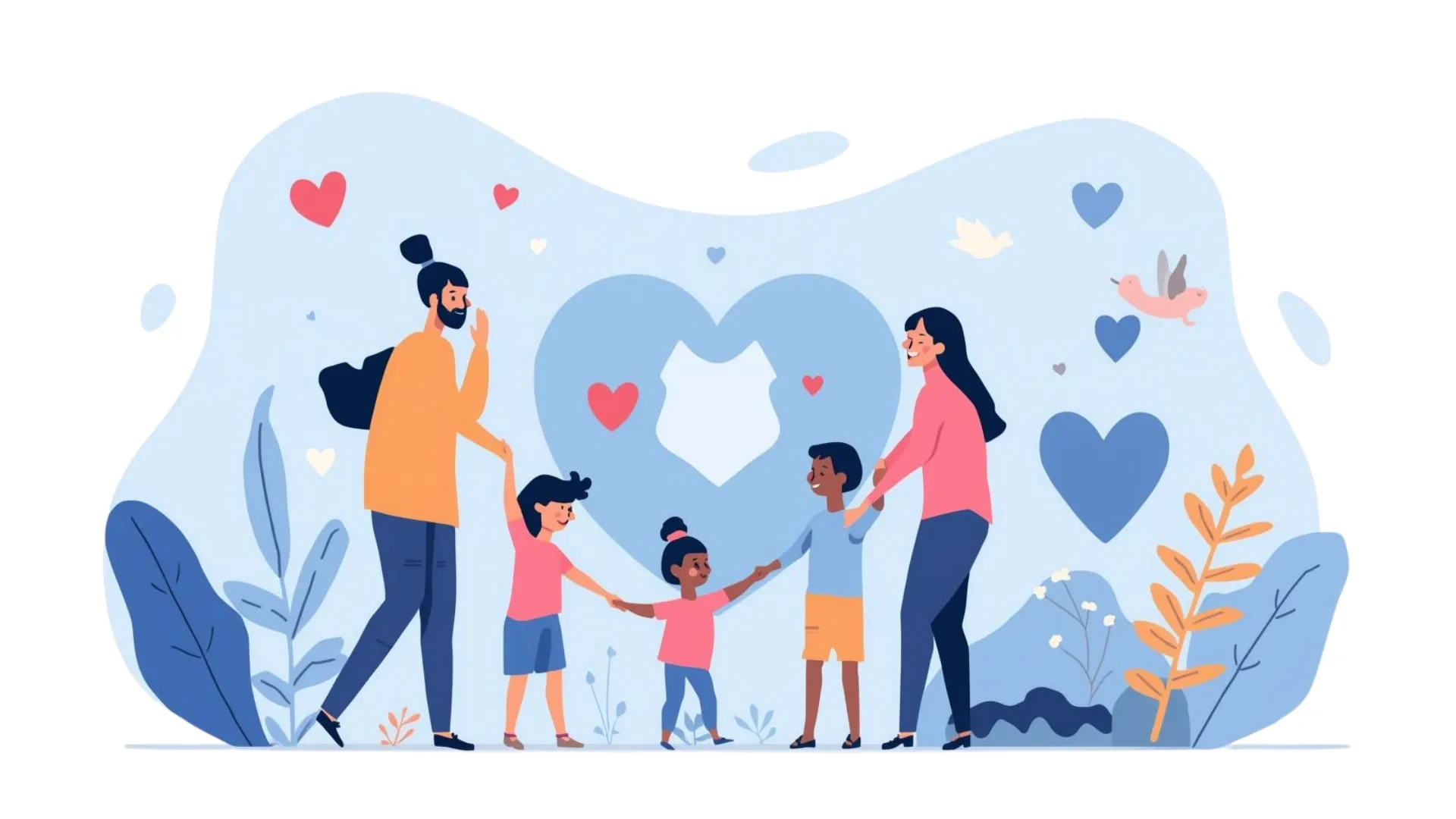
There is nothing more terrifying than imagining your child being hurt or taken advantage of by someone else. Many parents worry about sexual abuse, but not enough know what practical steps they can take to protect their children. The good news is that families can make a real difference by learning how sexual abuse happens, how to teach body safety, and how to notice early warning signs.
Every child deserves to grow up safe, heard, and supported. This guide offers clear, evidence-based advice rooted in global child protection research, including insights from trusted child safety organizations.
What Is Child Sexual Abuse & Why Awareness Matters
Child sexual abuse includes any behavior that makes a child feel uncomfortable, confused, or hurt. It can be physical contact or non-physical actions like showing inappropriate images or speaking about sexual topics in ways that make the child feel uneasy.
Contrary to what many people think, the person who harms a child is often someone the child knows and trusts, like a relative, family friend, coach, or teacher. This makes awareness and communication at home even more vital. The impact of sexual abuse can be long-lasting, which is why early education on safety is crucial.
📄 See related Article: How to protect your child from predators
Build Strong Communication and Trust With Your Child
Good communication is one of the strongest protective tools you can offer your child. Children need to know they can talk to you about anything without fear of punishment or judgement. Research clearly shows that a trusting, open relationship helps children feel safe and increases the chances they will speak up if something feels wrong.
Practical tips:
- Make time for regular conversations about your child’s day, activities, and friendships.
- Listen more than you talk. Let them express feelings in their own words.
- Encourage honesty by affirming that they will never get in trouble for sharing something important.
🔔 Important: Regular check-ins on your child’s feelings, friendships, and experiences at school or extracurricular activities can help you spot red flags early on.
Teach Body Safety and Boundaries Early
Body safety education doesn’t have to be scary or complicated. It starts with simple, clear rules that help children understand personal boundaries.
Core principles to teach:
- Their body belongs to them — and no one has the right to touch private parts without a medical reason that you explain first.
- There are no “body secrets.” If an adult asks them to keep something a secret, that’s a red flag.
- Teach correct names for body parts so children can describe things clearly if needed.
Many experts recommend using a family code word that children can use if they ever feel unsafe and want to leave a situation quickly. This gives them a tool to communicate discomfort without embarrassment or confusion.
Help Your Child Understand What “Unsafe” Feels Like
Children can learn to recognize feelings that something isn’t right long before they can explain why. Encouraging them to pay attention to these early warning signs helps them stay alert and empowered.
Examples of warning feelings:
- Butterflies in the stomach
- Feeling tense, shaky, or hot
- Wanting to get away from a situation
- Confusion about what is being asked of them
Children should know that it’s okay to say “no” to unwanted touch or situations, even from adults they know. This skill builds confidence and helps them advocate for themselves.
Online Safety Is Just as Important as Offline Safety
In an increasingly digital world, guarding against online sexual abuse is essential. Children can encounter inappropriate content or grooming attempts through gaming apps, social platforms, or messaging services. Children’s online safety is just as important as their physical safety.
Parenting tips for online safety:
- Talk openly about internet use. Ask who they interact with and how it makes them feel.
- Learn and use safety settings and parental controls on devices and apps.
- Make sure children understand they should never send images of their private parts, even if someone asks nicely.
- Encourage open communication about uncomfortable online interactions.
Parents and carers are the first defense in protecting children online, and open conversations help kids feel safe talking about anything upsetting they encounter online. For more on online abuse prevention, explore child safety advice from global child protection organizations.
📄 See related article: Strengthening Child Protection: A Global Imperative
Recognise Signs That Your Child Might Be Struggling
Often, children do not directly disclose abuse. Instead, signs can appear in behavior, emotions, or changes in routine. Indicators may include:
- Sudden withdrawal or fear around a particular person
- Changes in sleep or appetite
- Regressive behaviour in children (e.g., bed-wetting, fear of being alone)
- Hesitation to use the bathroom or sudden fear of certain places
These signs do not automatically mean abuse has occurred, but they do signal that something is troubling your child and worthy of gentle attention.
What To Do If Your Child Discloses Abuse
If your child tells you something that worries you, stay calm and supportive. Listen carefully without displaying shock or anger toward them. Let your child know that what happened is not their fault and that you believe them. Promptly seek professional help and follow mandatory reporting laws in your area to ensure proper investigation and care.
Partner With Your Community to Protect Children
Protecting children from sexual abuse is not just a family issue — it’s a community responsibility. Local initiatives, school programs, and child safety workshops help reinforce the messages families teach at home. Taking part in community education strengthens protection for all children.
How CPGN Supports Parents and Caregivers
At Child Protection Global Network (CPGN), we believe that prevention and awareness are among the most powerful tools we have to protect children. We provide guidance on recognizing warning signs, teaching body safety, and communicating effectively with children and caregivers. Our commitment is to help families build safer environments where children can thrive.
For more help with teaching your child about body safety and personal boundaries, explore our blog post on Teaching Children About Body Safety. If you suspect that abuse has occurred or signs worry you, visit CPGN’s Help Resources for support and next steps.
When families, communities, and professionals work together, we can make the world safer for every child.
FAQs
It’s never too early. Even young children can learn basic rules about personal space, naming body parts, and that their body belongs to them.
When done in age-appropriate language, body safety conversations empower children without frightening them. Focus on safety, respect, and open communication.
Ask open questions about what they do online, use parental controls, and explain that they should always tell you about anything that feels uncomfortable.
Mark S.
Mark S. is a dedicated child protection advocate and co-founder of Child Protection Global Network (CPGN). With a background in community development and public education, he supports CPGN’s mission to protect children from abuse and neglect through awareness, prevention education, and community guidance.
Through his work with CPGN, Mark helps families, educators, and communities better understand child safety, recognize warning signs, and take informed steps when a child may be at risk. His writing focuses on making child protection information clear, practical, and accessible for people who want to create safer environments for children.
Mark believes that protecting children begins with awareness, early action, and stronger community responsibility. His work reflects CPGN’s commitment to helping every child feel safe, heard, and protected.
All Posts

CPGN is a 501(c)(3) nonprofit organization dedicated to protecting children and strengthening families.
Tax-exempt since August 29, 2024.
CPGN is a 501(c)(3) nonprofit organization dedicated to protecting children and strengthening families.
Tax-exempt since August 29, 2024.
See a child in danger? If you are in immediate danger, call local emergency services. For guidance from CPGN, Get Help.
CPGN is a 501(c)(3) — donations are tax-deductible where applicable. Our goal is to ensure the safety and protection of every child until it is achieved.
Copyright © 2026 CPGN. All rights reserved by Majnate LLP | Privacy Policy | Terms and Conditions