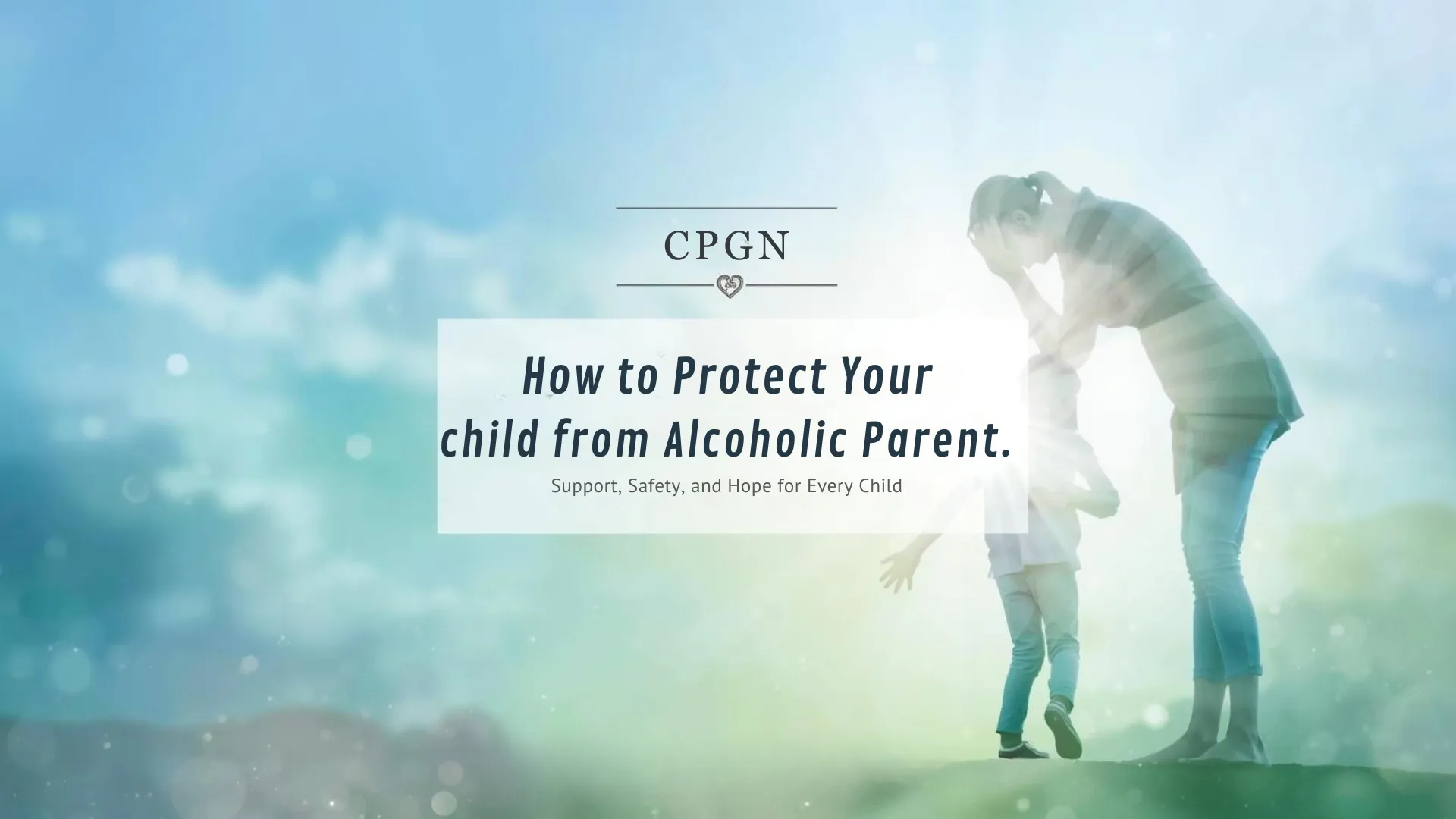
How to Protect Your Child from an Alcoholic Father/Mother
Worried about your child’s safety around an alcoholic parent? Explore proven strategies, legal options, and emotional support tools to safeguard your child’s present and future.
- Mark S.
- Last updated: 31 July 2026
Growing up with a parent who struggles with alcohol misuse can have a profound impact on a child’s emotional and physical well-being. The situation can often feel overwhelming, leaving parents, caregivers, and loved ones unsure about how to protect the child and create a safe environment. If you’re reading this, you’re likely looking for ways to help a child navigate this difficult situation.
In this guide, we’ll explore the effects of parental alcohol misuse on children, how you can create a protective environment, and practical steps to safeguard your child’s future.
Quick Summary: What You’ll Learn
- The impact of parental alcohol misuse on children
- Practical ways to create safety plans for children
- Legal and professional steps you can take to protect the child
- How to build resilience in the child and provide emotional support
- CPGN resources and strategies to empower youth through protection campaigns
The Harm Parental Alcohol Misuse Can Cause to Children
Parental alcohol misuse is a significant risk factor for child abuse, neglect, and emotional harm. Children in these homes often experience unstable environments with inconsistent caregiving, unpredictable behaviors, and increased risks of neglect. Research consistently finds that children raised in homes with alcohol misuse are at higher risk for psychological stress, neglect, lower educational outcomes, and emotional insecurity.
Do you know?
Around 8.7 million children in the United States live with at least one parent who misuses alcohol. This makes them more vulnerable to neglect, emotional harm, and long-term developmental challenges.
These effects don’t just disappear with time. Children exposed to parental alcohol misuse often carry the scars of low self-esteem, behavioral issues, and distrust in relationships well into adulthood. Many of them struggle with their own mental health, experience difficulties in school, and may later face issues with substance abuse themselves.
Key Strategies to Protect Your Child from an Alcoholic Parent
Protecting a child from an alcoholic parent involves a multi-layered approach. It requires attention to their emotional needs, consistent caregiving, and practical steps to ensure their safety and well-being. Here are 5 practical strategies you can implement.
1. Create a Safety Plan for the Child
A safety plan is crucial when dealing with an alcoholic parent. This plan ensures the child’s well-being is maintained, even when they are exposed to difficult or unpredictable situations at home.
- Supervised visitations: If the alcoholic parent’s behavior is unsafe, set up supervised visits to ensure the child is protected.
- Stable routines: Children thrive on consistency. Establish routines that help create a predictable environment, reducing stress and fear.
- Treatment conditions: If possible, make engagement in alcohol treatment programs a condition for increasing visitation rights. This encourages the alcoholic parent to seek help and ensure a safer environment for the child.
Every Child Deserves a Safe and Stable Home
Help CPGN provide child-safety education, crisis resources, and practical guidance for families affected.
Help Protect Children at Risk ✓ CPGN is a U.S.-registered 501(c)(3) nonprofit.2. Prioritize Legal and Custodial Protections
When a child’s safety is at risk, legal interventions can be essential. Family courts and child protective services (CPS) can modify custody arrangements or visitation schedules if alcohol misuse is documented as a risk to the child.
- Document behavior: Keep records of any concerning behavior related to alcohol misuse, such as police reports, medical visits, and witness statements. This documentation will help when seeking legal protection for the child.
- CPS involvement: If the situation does not improve, CPS can intervene and arrange alternative care for the child, ensuring they live in a stable, supportive environment.
3. Build a Network of Stable Adult Support Around the Child
A child’s best defense against negative emotional impacts is a network of supportive, non-alcoholic caregivers. These relationships help the child develop resilience and reduce emotional harm.
- Involved relatives: Extended family members, especially grandparents, can offer stability and support.
- Mentors and teachers: Having a trusted teacher or mentor who the child feels comfortable with can significantly buffer the impact of the parent’s alcohol misuse.
- Therapeutic support: Professional therapists, counselors, and support groups can provide emotional and psychological support, helping the child cope with the situation.
4. Early Help and Child-Centered Services
The earlier a child is supported, the better their chance of coping and thriving despite the challenges at home. Social services, educators, and healthcare professionals should be involved to provide early intervention.
- Counseling services: Therapy or school counseling helps children express their emotions, work through trauma, and learn healthy coping strategies.
- Parenting support programs: Programs that teach positive parenting, conflict resolution, and healthy communication can be beneficial, not only for the child but for the parent as well.
5. Focus on Resilience and Education
Children who are empowered with the right tools are better equipped to resist negative influences and develop resilience. Educational programs that focus on coping skills, problem-solving, and emotional intelligence can help children overcome adversity and lead fulfilling lives.
Children exposed to supportive and nurturing environments can bounce back from difficult situations and avoid some of the behavioral and emotional issues that might arise from their parent’s alcohol misuse.
Supporting Parents Towards Recovery
Helping a parent recover from alcoholism benefits both the parent and the child. Facilitating access to alcohol treatment services, such as rehab programs and family therapy, can create a healthier family dynamic.
1. Family therapy
Therapies designed for families affected by alcohol misuse can help rebuild trust and improve communication within the family.
2. Positive parenting support
Programs that focus on healthy routines and parenting skills can mitigate the risks of children developing similar issues with substance abuse.
Building a Strong Foundation of Protection
Protecting a child from an alcoholic parent isn’t just about one step; it’s about child protection through a comprehensive support system that includes legal, emotional, social, and educational interventions. It focuses on reducing risk factors, promoting resilience, and ensuring the child has a safe, stable environment in which to thrive.
Multi-Layered Protection for Children of Alcoholic Parents
When a child lives in a home with an alcoholic parent, the risks to their emotional and physical well-being are real and concerning. However, with a multi-faceted approach that includes safety planning, legal protections, emotional support, and educational empowerment, children can grow in stable environments that promote their long-term well-being.
Building a strong foundation helps children resist negative pressure. See how CPGN empowers youth through our safety campaigns, providing resources for families in crisis and helping to break the cycle of trauma.
About Child Protection Global Network (CPGN)
Child Protection Global Network (CPGN) is dedicated to providing advocacy, resources, and support for children in crisis worldwide. Our mission is to empower children, families, and communities to take action in creating safe and nurturing environments. We believe in building systems of protection that offer long-term security, resilience, and well-being for all children. Donate now or Get help to make a difference in the lives of children and families affected by parental alcohol misuse.
Support Can Help Break the Cycle
Help CPGN strengthen family support, prevention education, advocacy, and safer futures for children.
Help Build a Safer Future 🔒 Secure donations are tax-deductible where applicable.FAQs
Create a safe, loving space where your child can talk openly about their feelings and feel reassured it’s not their fault.
Consistent routines, emotional validation, and professional support (like counseling) can help them build resilience and heal.
Consider seeking custody adjustments or supervised visitation through family court. Documentation of alcohol misuse strengthens your case for legal intervention.
Children of alcoholic parents are at higher risk of developing substance abuse issues. However, positive interventions, support systems, and education can mitigate this risk.
Mark S.
Mark S. is a dedicated child protection advocate and co-founder of Child Protection Global Network (CPGN). With a background in community development and public education, he supports CPGN’s mission to protect children from abuse and neglect through awareness, prevention education, and community guidance.
Through his work with CPGN, Mark helps families, educators, and communities better understand child safety, recognize warning signs, and take informed steps when a child may be at risk. His writing focuses on making child protection information clear, practical, and accessible for people who want to create safer environments for children.
Mark believes that protecting children begins with awareness, early action, and stronger community responsibility. His work reflects CPGN’s commitment to helping every child feel safe, heard, and protected.
All Posts

CPGN is a 501(c)(3) nonprofit organization dedicated to protecting children and strengthening families.
Tax-exempt since August 29, 2024.
CPGN is a 501(c)(3) nonprofit organization dedicated to protecting children and strengthening families.
Tax-exempt since August 29, 2024.
See a child in danger? If you are in immediate danger, call local emergency services. For guidance from CPGN, Get Help.
CPGN is a 501(c)(3) — donations are tax-deductible where applicable. Our goal is to ensure the safety and protection of every child until it is achieved.
Copyright © 2026 CPGN. All rights reserved by Majnate LLP | Privacy Policy | Terms and Conditions